9 Shorts Video Ideas to Grow Any Social Channel
Explore 9 shorts video ideas for TikTok, Reels, and YouTube Shorts, with hooks, production guidance, platform fit, and practical examples.
On this page
Publishing more Shorts won't fix weak ideas, and the scale of competition now proves it. YouTube reported more than 200 billion daily Shorts views in June 2025, up from 70 billion in March 2024, according to YouTube's reported Shorts viewing milestones. That growth doesn't reward random topics. It rewards repeatable formats that give viewers a clear reason to watch, save, share, comment, or click in the first seconds.
A strong idea isn't a subject you mention once. It's a creative mechanism you can run again with new material. A tutorial promises a result, a countdown builds anticipation, a transformation creates visual contrast, and a product demo turns a claim into evidence viewers can judge themselves.
Use the nine Shorts video ideas below as a strategic menu, not a trend list to copy blindly. Pick one format that matches your niche, your production capacity, and the action you want. Make a small batch, measure retention and the target action, then turn the winner into a series before you chase the next format.
1. Faceless Story Narration
Pair a voiceover story with gameplay, stock footage, or a looping visual, and let the narrative do the retention work. Reddit confession channels, workplace drama series, and horror narration accounts all use this structure because viewers stay for the stakes and the cliffhanger, not for a face on camera. It's one of the most scalable faceless formats since you can script, voice, and edit episodes in batches.
This visual shows the core setup you need, a phone, a clear path, and one unanswered question pulling the viewer forward.

Prompt to try
Create a 45-second faceless workplace drama story narrated in first person. Open with on-screen text: "My boss fired me in front of everyone, then I found his email." Use moody stock footage, bold captions, a calm but tense narrator voice, and end on a cliffhanger teasing Part 2.
How to Run It Without Sounding Generic
Pick one niche and stay in it, whether that's relationship advice, workplace drama, or horror. State the stakes in the first two seconds with on screen text like a betrayal, a firing, or a secret about to surface. Add original commentary and a distinct narrator style so your channel doesn't read as repetitive reposting, and use royalty free or platform licensed background footage to limit copyright risk.
Use Revid.ai's script generation and voiceover tools to produce a week's episodes in one session, then vary only the hook and ending across the batch. For adjacent formats you can pair with narration, browse these content creator ideas for repeatable channel concepts and steal structures, not scripts. The trade off is clear. Production is fast, but trust builds slowly, so your narrator's judgment and recurring series title have to carry the personality.
2. Listicle and Countdown Videos
Numbered lists work because the structure itself creates retention. Viewers who hear three mistakes or top five tools stay to see the final item, especially when you've promised the most surprising pick last. Business creators run top three tool countdowns, travel channels rank hidden spots, and beauty creators can adapt the same mechanism, as shown in 8 lash styles compared.
You don't need new research for every post. Turn one blog post into a 30 to 60 second countdown with Revid.ai's blog to video feature, give each item a distinct text card or image, and keep the spoken line to one benefit per item. That visual separation matters on Instagram, where viewers often grasp the ranking without sound.
Practical rule: Put your most valuable or controversial item last, and say so in the opening line. Viewers tolerate the middle items when they know the payoff is coming.
End with a specific follow prompt tied to the next list, not a generic ask. The weakness of this format is sameness. If every item gets equal weight and identical pacing, viewers skim and leave, so vary the evidence, show a quick demo for one pick, a price or result for another, and a clear warning for a third.
3. Quick Tutorials and How-To Videos
Show the finished result first, then teach the steps. That order is why Canva and Adobe related creators and productivity creators like Ali Abdaal can compress a lesson into under a minute. One video should solve one specific problem, such as removing a background, setting up an automation, or fixing a common editing mistake.
The example below breaks a creative task into three visible steps, which is exactly the pacing a tutorial Short needs.
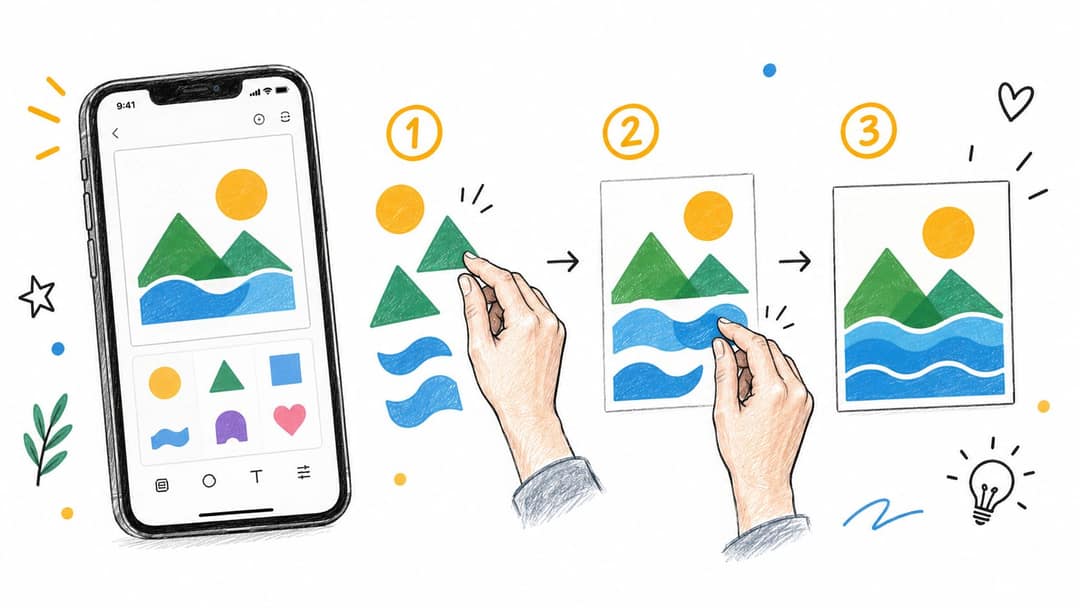
Tutorials fit habitual viewing because internet users spend approximately 6 hours and 37 minutes per week watching short clips, according to DataReportal figures on weekly short-form viewing time. That habit favors immediate comprehension over long setups. Use captions for silent viewing, number each step on screen, and build a series around one tool so viewers return for the next skill.
The clip below shows how a single outcome first structure keeps the instruction easy to follow.
Re-film tutorials when interfaces change, because outdated screens kill trust fast. Tutorials earn saves and authority, but they demand accuracy. If you can't show every step clearly in vertical framing, narrow the task until you can.
4. Podcast and Long-Form Clip Repurposing
Your best Short may already exist inside a podcast, webinar, or long YouTube video. Lex Fridman, The Diary of a CEO, and Alex Hormozi all cut standalone moments from long form content and post them as Shorts and Reels. The mechanism is extraction, you find the 30 to 90 second segment where a claim, story, or disagreement resolves on its own.
Start every clip with the most compelling sentence, not the question that led to it. Add captions with keyword emphasis for silent viewing, cut dead air between phrases, and add a title card that frames the payoff. If a viewer needs the previous ten minutes to understand the clip, you've chosen the wrong segment.
What Makes a Clip Self Contained
- A complete claim: The speaker states a position and supports it before the clip ends.
- A visible reaction: A pause, laugh, or pushback gives viewers an emotional cue.
- A clean ending: Stop on the conclusion, not mid explanation.
Use Revid.ai to convert long form links or transcripts into vertical clips, then test two different opening sentences from the same segment. Repurposing multiplies output with little new filming, but it only works if your source material has sharp moments. A flat interview produces flat clips no matter how good the captions look.
5. Reaction and Trend Format Videos
Khaby Lame built one of TikTok's most followed formats by reacting to overcomplicated life hacks. He didn't explain the hack. His expression delivered the judgment, and viewers instantly understood it. Duets, stitches, trending audio, and silent reactions all borrow that principle, a recognizable structure carries a new twist.
Speed matters more here than polish. Check trending sounds daily and act within 24 to 48 hours while the format still feels current. Publishing volume has intensified, with a global analysis finding short-form publishing up 71% year over year in Metricool data on short-form publishing growth. Late entries compete against far more copies of the same joke.
Don't copy the trend exactly. Keep the sound or structure, then change the subject to your niche, a fitness coach reacting to bad form, a chef reacting to a viral recipe shortcut, or a brand using trending audio for a product demo. Verify commercial audio licensing if you're posting for a business, and use Revid.ai's trend search to spot rising formats earlier.
The trade off is durability. Trend videos can generate reach quickly, but they rarely build a reason to follow you tomorrow. Pair them with a recurring series so new viewers find depth on your profile.
6. Satisfying Process and ASMR Videos
No narration, no face, no argument. A hydraulic press crushes an object, a cleaner restores a filthy surface, or hands fold, pour, cut, and assemble until the process completes. Viewers stay because an unfinished process feels incomplete, and that completion urge drives watch through and replays.
The image below captures the appeal in its simplest form, order created from a messy, tactile task.
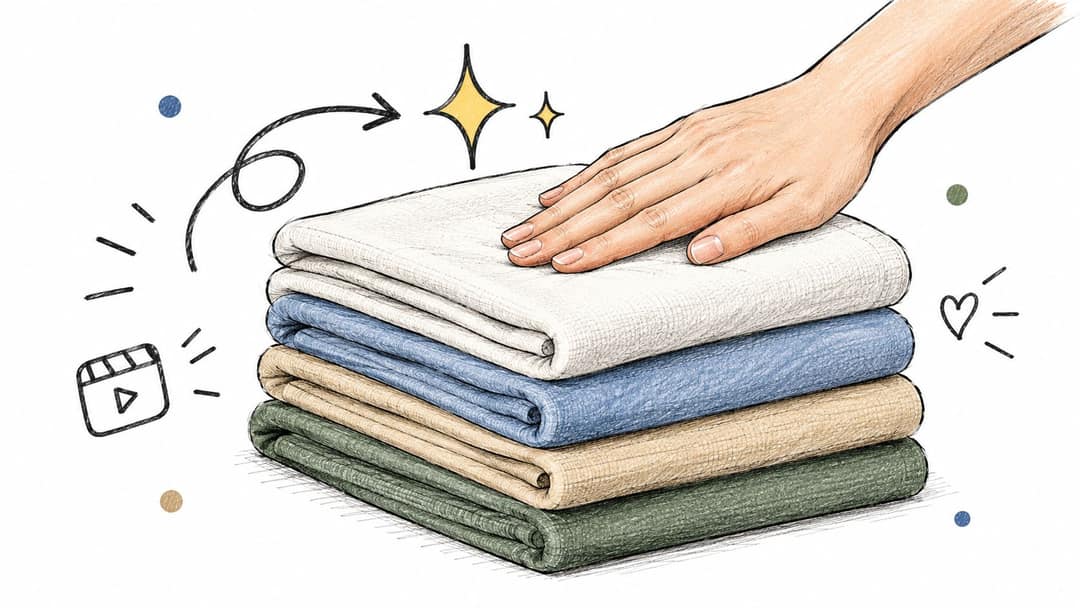
Keep the total length short so the satisfying moment lands quickly, and record clean, close audio because sound is half the product. Scraping, pouring, snapping, and brushing should be audible without background chatter or loud music covering them. End on a frame that loops back to the start if you want replays, such as a finished stack cutting back to the first unfolded item.
A satisfying video fails when viewers have to wait for the payoff. Trim setup ruthlessly and start mid action.
Tie the process to a product or service when you need a business outcome, a cleaning brand showing its tool, a baker finishing a decorated cake, or a restorer revealing the final surface. Without that connection, you'll get views from people who enjoy the sensation but never learn what you sell.
7. Educational Explainers and Did You Know Facts
Kurzgesagt and TED-Ed prove that a complex idea can hold attention when it's reduced to one clear question and a consistent visual style. Your Short version is smaller in scope. Explain one concept, debunk one myth, or reveal one surprising fact, and stop before you need a second explanation to support the first.
Open with the misconception or the strange outcome, not with background. A hook like a common belief stated confidently, followed by a correction, gives viewers a reason to stay for the evidence. Animated or illustrated explainers work well for faceless channels because the visual system becomes the recognizable identity across episodes.
Prompt to try
Make a 40-second YouTube Short for the series "Science Myths Debunked Part 3" on the myth that we only use 10% of our brains. Open with the myth stated confidently, then correct it with two clear facts from brain imaging research. Use clean animated visuals, consistent bold captions and an upbeat narrator.
Build It as a Series From Day One
Turn a single fact into a named series, such as Science Myths Debunked Part 3, and keep the same colors, captions, and pacing. Research with reliable sources before scripting and cite them in the description or a pinned comment. Viewers share explainers when they feel safe passing the claim to someone else.
This format builds authority and saves, but production is slower than narration or clips. Script tightly, reuse your visual templates, and don't chase topics outside your knowledge just because they're trending. One wrong fact costs more credibility than ten correct videos earn back.
8. Before-and-After Transformation Videos
Contrast is the hook. An empty room becomes a furnished office, a dull surface becomes polished, or a rough design becomes a finished layout, and viewers understand the value before you say a word. Interior design creators and beauty brands rely on this because the before and after states tell the whole story visually.
The sketch below shows why framing matters, the same space, viewed the same way, makes the change impossible to miss.
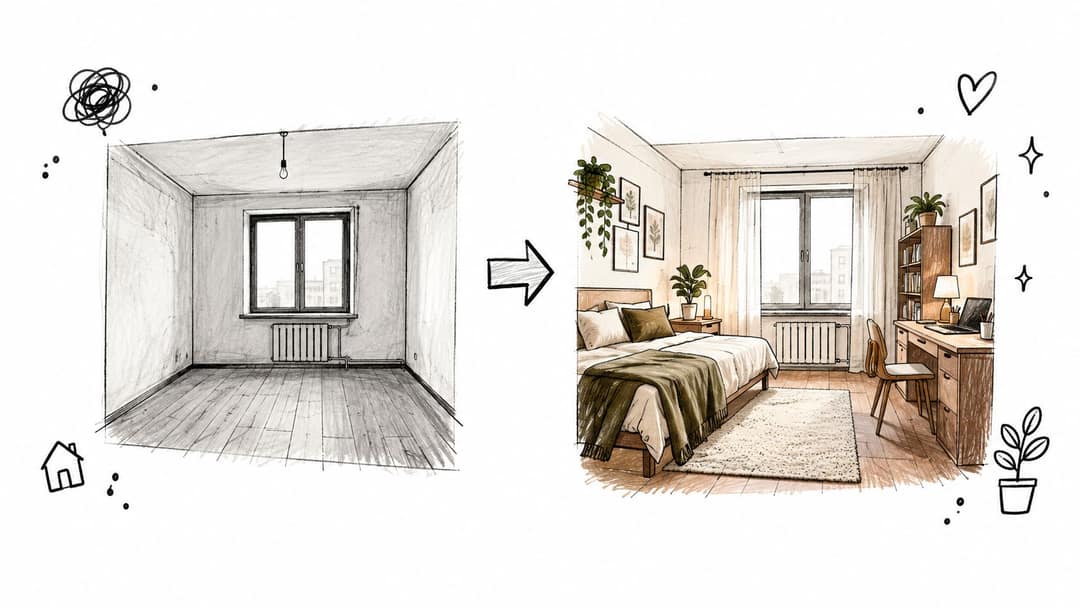
Film both states from the same angle and lighting whenever possible. Reveal the result in the first three seconds, then rewind and show the process steps that produced it. Label each stage with a clear overlay so silent viewers can follow the sequence without guessing.
Be transparent about how the result was achieved, especially for fitness, skincare, or renovation claims where timelines and effort matter. Exaggerated contrast, changed lighting, or hidden editing invites skeptical comments that damage trust. Transformations stop the scroll better than almost any format here, but they need a real change worth showing. If the difference is subtle, use a tutorial instead and teach the improvement.
9. Product Demos and UGC-Style Testimonials
Lead with the problem, not the product. TikTok Shop creators and small e-commerce brands use UGC style demos because a relatable person using a product in a real setting feels more credible than polished advertising. The viewer sees the frustration, the product in hand, and the benefit within seconds.
The example below follows that logic, a visible switch from disposable bottles to a reusable alternative makes the benefit concrete.
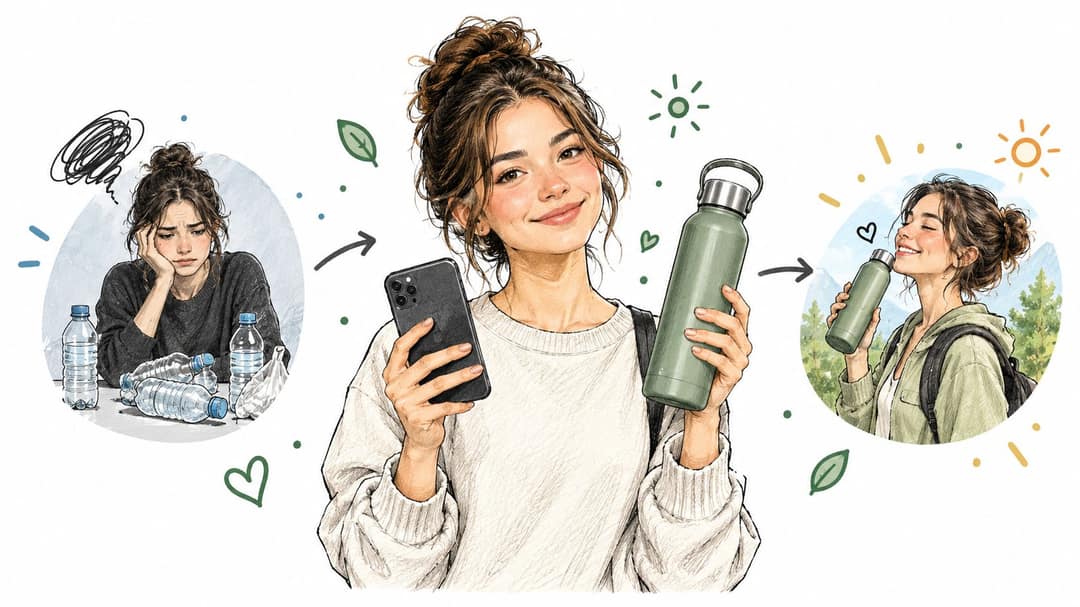
Choose the platform by the action you want. Instagram Reels recorded an 8.24% average engagement rate, compared with 6.1% for TikTok and 2.99% for YouTube Shorts, in Metricool engagement benchmarks by platform. Use saveable demos on Instagram, participatory tests on TikTok, and searchable demonstrations on YouTube Shorts.
Disclose paid partnerships clearly as required by the FTC and platform rules, and don't hide the disclosure where viewers won't see it. Test multiple hooks with the same product, changing only the opening problem statement, and keep ad versions under 30 seconds where possible. This format converts best of the nine, but it dies fast when it sounds scripted. Real use, real objections, and a visible result beat a list of features every time.
Comparison of 9 Shorts Video Ideas
| Video Format | 🔄 Complexity & Resources | 📊 Expected Outcomes | 💡 Ideal Use Cases | ⭐ Key Advantages |
|---|---|---|---|---|
| Faceless Story Narration | Low–medium; needs scripts, voiceover, captions, and licensed background footage | Retention and returning viewers through cliffhangers and series | Storytelling channels in niches such as horror, relationships, or workplace drama | ⚡ Batch-producible; no on-camera presence required |
| Listicle and Countdown Videos | Low; requires topic research, scripting, and distinct visuals for each item | Retention as viewers wait for the final item; can earn saves and shares | Educational or entertainment topics, including business, travel, and productivity | 🔄 Clear, repeatable structure; adapts well from articles |
| Quick Tutorials and How-To Videos | Medium; requires accurate steps, screen recordings or demonstrations, and captions | Saves, shares, search discovery, and niche credibility | Teaching a specific skill, app workflow, or practical task | ⭐ Useful, searchable content that can build trust |
| Podcast and Long-Form Clip Repurposing | Low–medium; requires existing long-form content, clip selection, captions, and rights review | More short-form posts and discovery for full episodes | Repurposing podcasts, interviews, webinars, or long videos | ⚡ Extends the value of existing content without new filming |
| Reaction and Trend Format Videos | Low; needs timely trend monitoring, basic recording, and suitable audio | Potential for rapid reach while a trend is active | Quick responses, duets, stitches, and niche-specific trend adaptations | ⚡ Low production barrier; encourages participation and remixing |
| Satisfying Process and ASMR Videos | Medium; requires close-up filming, good lighting, and clear sound | High watch-through and replay potential | Crafts, cleaning, cooking, restoration, or other visible processes | ⭐ Often works without speech and across language audiences |
| Educational Explainers and “Did You Know” Facts | Medium–high; needs fact-checking, scripting, and suitable visuals or animation | Shares, saves, and long-term reach from evergreen topics | Explaining concepts or facts in science, history, culture, or other niches | 💡 Builds authority; suitable for faceless production |
| Before-and-After Transformation Videos | Medium; requires matched shots, documented progress, and transparent presentation | Strong visual attention and engagement around the reveal | Home, design, beauty, fitness, or product transformations | ⭐ Shows tangible change clearly, often without audio |
| Product Demos and UGC-Style Testimonials | Medium; needs product access, creator coordination, and appropriate disclosures | Trust and potential conversions, especially in direct-response campaigns | E-commerce, product marketing, and service promotion | 📊 Demonstrates products in relatable use; supports creative testing |
Build a Testable Short-Form Content System
Choose formats by the job they must do, not by what's trending this week. Use tutorials and explainers to earn saves and authority, reactions and satisfying processes to generate reach, transformations to stop the scroll, and product demos to support conversion. Listicles and narration give you repeatable series structures, while repurposed clips multiply the value of work you've already recorded.
Don't test nine formats at once. Pick one core concept and create three variations by changing the hook, the proof, or the story order. A tutorial can open with the result, the mistake, or the time saved. A product demo can lead with the problem, a comparison, or a customer objection. That gives you comparable data instead of three unrelated posts you can't learn from.
Measure the Action You Actually Wanted
Review retention, completion rate, saves, shares, comments, profile visits, and clicks, not views alone. Raw views can mislead, especially since counting methods differ across platforms. A tutorial with fewer views but strong saves is doing its job. A reaction video with high views and no profile visits is entertainment you can't build on.
- Keep the winners: Turn a proven format into a named series with consistent packaging.
- Refine the middle: Change the first two seconds and on screen text before you abandon the concept.
- Cut the rest: Drop formats that don't produce your target action after a fair batch.
Build for a sustainable business, not maximum posting volume. Creators face volatile platforms and unpredictable income, and a majority believe building a business is harder than five years ago, according to the 2025 State of Create report on creator business challenges. That reality should shape your Shorts video ideas directly. Mix discovery clips with proof clips, recurring education, and videos that move viewers toward an owned destination like an email list, a product page, or a community you control.
Operating principle: Reach rents attention. Trust and an owned audience are what turn that attention into income you can keep.
Faceless channels need this discipline most. Show personality through narrator judgment, recurring segments, consistent visuals, and direct replies to comments, even if you never appear on camera. Small businesses should apply the same logic by connecting every format to a demonstration, a testimonial, or a clear next step.
For faster testing, you can use Revid.ai to research ideas, generate scripts, and adapt existing content into vertical videos for TikTok, Instagram Reels, and YouTube Shorts. Produce the batch, publish the variants, and let retention and target actions decide your series. That's a content system, not a pile of disconnected posts hoping one of them travels.
Pick one format from this list, script three hook variants, and turn them into finished vertical videos with Revid.ai's idea research, script generation, and blog, link, and long form to Shorts tools. You'll test faster, keep the format that earns saves, shares, or clicks, and build a series viewers recognize. Start your first batch today at revid.ai.