Best AI UGC Ad Generators in 2026: 7 Options Compared by Cost per Ad
Seven ways to get UGC ads compared on October 29, 2026: six AI generators and real creators as the baseline. Real prices, the cost of one 30-second ad, Revid's exact credit costs and usage data, example ads, and the TikTok, Meta and FTC rules for AI actors.

On this page
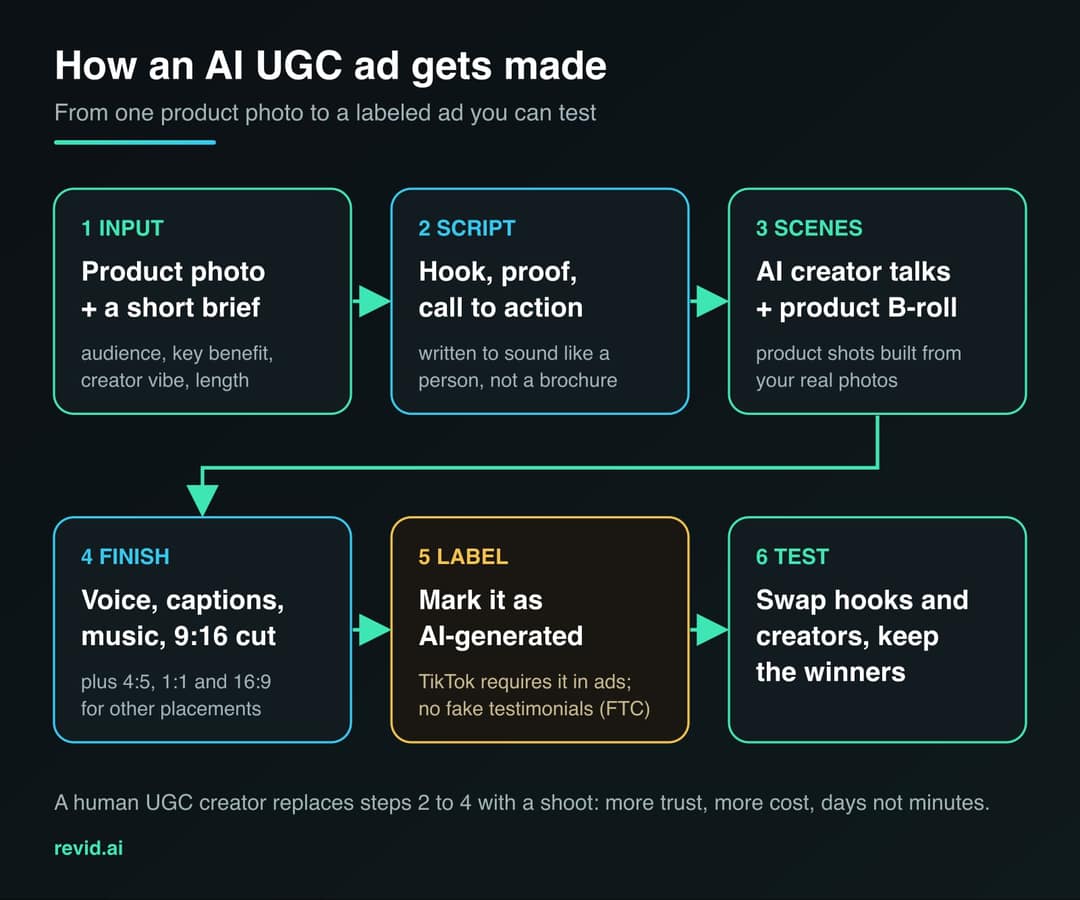
A UGC ad is a short video that looks like a real customer filmed it on a phone: a person talks to the camera, holds the product, says why they like it and tells you where to get it. An AI UGC ad generator makes that video without a shoot. You give it a product photo and a brief, and it writes the script, generates a creator, films the product scenes, adds a voice and captions, and exports a vertical ad.
We compared seven ways to get UGC ads on October 29, 2026: six AI tools and one marketplace of human creators as the baseline. For each one we read the vendor's own pricing page that day, worked out what one 30-second ad costs, and noted what you actually get back. We priced every Revid option with Revid's public credit calculator and pulled 30 days of Revid's own usage data. We did not buy plans on competing products, so competitor costs are calculated from their published prices, not measured.
Disclosure: we make Revid. It is first here because it is the only tool on this list that makes the whole ad (script, AI creator, product scenes, voice, captions, music) and also posts it organically to TikTok, YouTube, Instagram and X, so you can test a hook before you pay to boost it. That is not the right fit for everyone. If you want the biggest library of realistic AI actors, a talking presenter in 175 languages, or a real human holding your product, another option below is the better pick, and we say which.
- for a 30-second AI-video UGC ad on Revid's Growth plan
- $2.15
- 110 credits, Revid calculator, Oct 29, 2026
- for the same ad made with animated AI images
- $0.72
- 37 credits on Growth
- starting price of one human-made Billo video
- $99
- Billo, October 2026
- ad, avatar and swap videos built on Revid in 30 days
- 2,482
- Sep 29 to Oct 28, 2026
What an AI UGC ad looks like in 2026
These are real ads made with Revid's UGC ad generator from a product photo and a one-line brief. Every creator, room and product shot was generated; nobody was filmed. Open any of them to watch the full ad.
UGC ads made with Revid
Made with Revid's UGC ad generator between March and May 2026. Each started from product images and a short description.
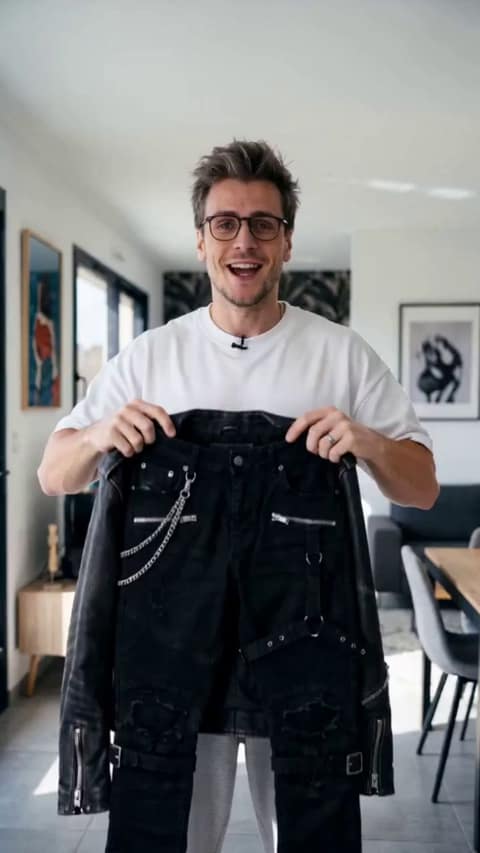 Rockstar Streetwear Transformation UGC
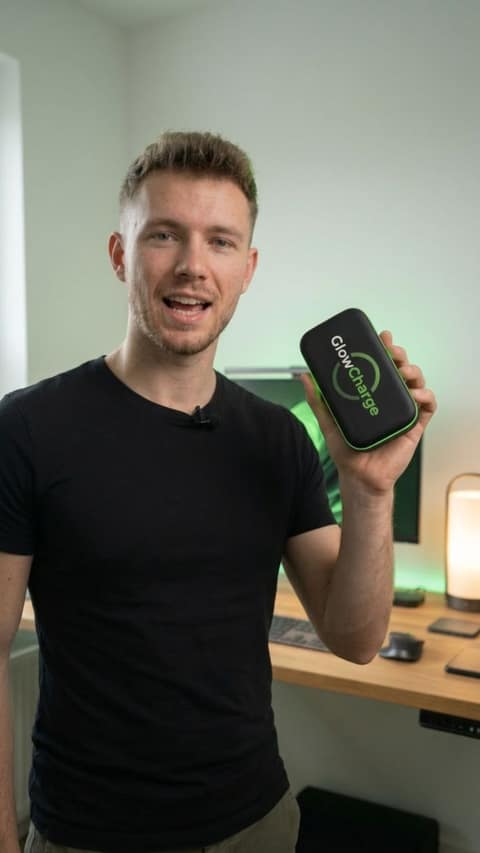 GlowCharge: The Ultimate MagSafe Power Bank
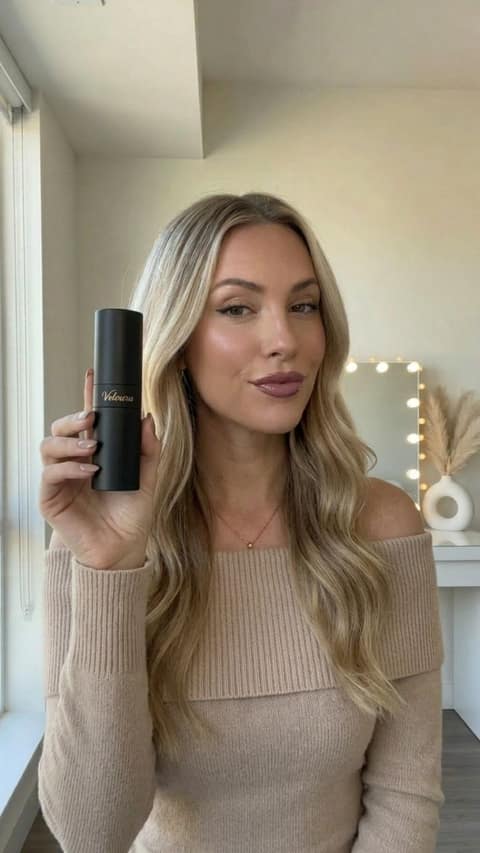 Veloura Lipstick UGC Glam Ad
 Sunveil SPF 50 Beach UGC Ad
Three things separate a convincing AI UGC ad from an obviously fake one, and they are the things to judge any tool on:
- The product stays your product. If the AI redraws your bottle with a different logo, the ad is unusable. Look for a tool that builds product shots from your real photos.
- The creator sounds like a person. A hook in the first two seconds, one specific reason to buy, a plain call to action. Not a feature list read aloud.
- It comes out ready for the placement. Vertical 9:16 with captions for TikTok and Reels, plus 4:5 and 1:1 for feeds.
The comparison table
Prices are what each vendor's pricing page showed on October 29, 2026, in US dollars, before tax. "Cost of a 30-second ad" is our calculation from those published prices (method under each tool); it is not an invoice.
| Option | What you get back | AI actors | Entry price | Cost of a 30-second ad | Posts or pushes the ad |
|---|---|---|---|---|---|
| Revid | Finished ad: script, AI creator and product scenes, voice, captions, music, editable timeline | Generated per ad; talking avatars; your own people with character swap | $39/month (2,000 credits) | $0.72 (animated images) to $2.15 (AI video, Standard) | Posts and schedules to TikTok, YouTube, Instagram, X |
| Arcads | AI actor video ads with product handling, actor swap, B-roll and captions | 1,000+ actors cloned from consenting performers | Not published; free trial offered | About $11 (reported $110 for 10 videos) | Export for your ads manager |
| Creatify | Ads from a product URL or templates, batch variants, Ad Agent on Pro | 300 actors (Standard), 1,500 + 3 custom (Pro) | $15/month (55 credits) | About $1.96 to $2.73 (Aurora avatar, 2 x 15 s) | Pushes to ad platforms |
| MakeUGC | AI actor ads, product in hand, batch mode, ad remake | 300+ (Starter) to 1,000+ (Pro) | $29/month billed yearly | Not computable (credits per video not published) | Export |
| HeyGen | Talking presenter videos, digital twins, translation | 700+ stock avatars, custom avatars | $29/month (Creator) | $1.50 (Avatar IV) or $2.00 (Avatar V) through the API | Download and share links |
| Captions (Mirage) | Hyper-realistic AI actor videos through an API | Mirage AI actors | API: $0.15 per second | $4.50 through the API | Export |
| Billo | A real creator films your real product | None: real people | From $99 per video | From $99 | Delivered files |
Not like for like: HeyGen and Creatify prices are for a talking presenter clip; Revid's are for a finished ad with product scenes, voice and captions; Billo and freelancers are real people with real products. Even the most expensive AI option costs a fraction of one human video.
Source: Vendor pricing pages read Oct 29, 2026: Revid calculator at Growth ($39 per 2,000 credits), HeyGen API and Creatify Pro and Mirage API prices; Arcads from third-party reports (Aug 2026); Billo pricing guide (Oct 9, 2026); Influee 2026 rate guide (sample not stated)
Show the data
| Ads per $1,000 | US cents per 30-second ad | |
|---|---|---|
| Revid, animated images | 1,389 | 72 |
| HeyGen API, Avatar IV | 667 | 150 |
| Creatify Pro, avatar | 510 | 196 |
| HeyGen API, Avatar V | 500 | 200 |
| Revid, AI video Standard | 465 | 215 |
| Captions Mirage API | 222 | 450 |
| Revid, AI video Pro | 150 | 665 |
| Arcads (reported) | 91 | 1,100 |
| Billo, human creator | 10 | 9,900 |
| Freelance creator (median) | 6 | 17,500 |
The gap is the whole reason this category exists. One human UGC video starting at $99 buys about 46 Standard AI-video ads or about 137 animated-image ads on Revid's entry plan. That matters because UGC ads are a testing game: you rarely know which hook or which face will win until you have run several. What the AI price does not buy is a real person's credibility, which is why most brands that scale this mix both.
1. Revid: whole UGC ads from a product photo, then post them
Best for: founders, marketers and small ecommerce teams who want finished UGC-style ads they can test or post the same day, without managing creators.
You upload product images, describe the product, the audience and the tone (casual, enthusiastic, professional), and pick a length. Revid writes the script, generates the creator scenes and product B-roll, adds a voice in one of 70+ languages, captions in one of 30 styles and a music track, and opens the result in a timeline editor where you can swap a scene, rewrite a line or change the voice before you export. Scenes without the creator are built from your uploaded photos so the packaging stays recognizable.
What it costs, exactly. Revid publishes its credit costs, so we priced the same 30-second water bottle ad at every setting with the public calculator. The UGC generator can animate AI images (cheapest, still looks like a phone video), or generate full AI video at three quality tiers.
Each price includes the voiceover (10 credits at 15 and 30 seconds, 20 at 60) and a library music track. Generated music adds 20 credits per started minute. Pro and Ultra cost about 3x and 6x Standard, so test hooks on Standard and re-make the winner on a higher tier.
Source: Revid /api/public/v3/calculate-credits, workflow prompt-to-video with the ugc-ad-generator tool, 9:16, Oct 29, 2026; cents at the Growth plan rate ($39 for 2,000 credits, $0.0195 per credit)
Show the data
| Credits | US cents on Growth | |
|---|---|---|
| Animated images, 15 s | 24 | 47 |
| Animated images, 30 s | 37 | 72 |
| Animated images, 60 s | 75 | 146 |
| AI video Standard, 15 s | 61 | 119 |
| AI video Standard, 30 s | 110 | 215 |
| AI video Standard, 60 s | 220 | 429 |
| AI video Pro, 15 s | 176 | 343 |
| AI video Pro, 30 s | 341 | 665 |
| AI video Pro, 60 s | 682 | 1,330 |
| AI video Ultra, 15 s | 341 | 665 |
| AI video Ultra, 30 s | 671 | 1,308 |
| AI video Ultra, 60 s | 1,342 | 2,617 |
Beyond the UGC generator, Revid has three related ways to make ads, and in our data they are used more than the UGC generator itself:
Videos built
Character swap (put your own people into a video) and talking avatars are used about 9x and 5x as much as the UGC generator. Many marketers want a face they own, a founder or a consistent character, not a new stranger in every ad. Character swap is also used outside ads.
Source: Revid product analytics (Amplitude), project_built events grouped by tool, Sep 29 to Oct 28, 2026 (UTC), 2,482 videos across these six tools
Show the data
| Videos built | |
|---|---|
| Character swap | 1,203 |
| Talking avatar video | 745 |
| AI ad generator | 325 |
| UGC ad generator | 140 |
| Video face swap | 53 |
| Website review video | 16 |
- AI ad generator: a product ad from a product image, without a creator on screen. Good for product-led brands.
- Talking avatar: a presenter speaks your script from one photo, yours or a generated one.
- Character swap: keep a video's motion and setting and put your own person or character in it, which is how teams keep the same face across a series of ads.
Revid for UGC ads
Pros
- Makes the whole ad: script, AI creator, product scenes from your photos, voice, captions and music
- Exact credit costs are public, so you know the price before you generate
- Real timeline editor to fix one scene instead of re-generating the whole ad
- Exports 9:16, 4:5, 1:1 and 16:9, and posts or schedules to TikTok, YouTube, Instagram and X
- Public API, MCP server and CLI, so an agent can make and post ad variants
Cons
- No library of named, licensed actors like Arcads; creators are generated per ad
- No push to ad platforms or competitor ad tracker like Creatify
- Ultra-tier AI video is expensive for 60-second ads; use Standard for testing
Price: Growth $39/month ($32/month billed yearly) with 2,000 credits, Elite $89 with 5,000, Ultra $199 with 12,000. When to pick something else: you need dozens of distinct, consistent actors across a big paid campaign (Arcads), or ad-platform pushing and competitor research in one tool (Creatify). Head-to-head pages: Revid vs Arcads, Revid vs Creatify, Revid vs HeyGen.
2. Arcads: the largest library of realistic AI actors
Best for: performance marketers and agencies running paid social at volume who want realistic actors that can hold and show a product.
Arcads is built around actors: its site lists 1,000+ AI actors and lets you create your own avatar, with tools for product showcase, actor swap, camera angles, talking actors, voice changes and translation in 30+ languages. It features Seedance 2.5 as its most advanced video model and also lists Seedream, Nano Banana, GPT Image and Kling among its tools. Our August 2026 check found the actors are cloned from consenting performers, with emotion control.
- Pros: the deepest actor library on this list; strong at "person holding the product" shots; built for ad testing.
- Cons: no public pricing; no direct posting; API only on its top tier according to third-party reports. Its Trustpilot score was 2.7 in August 2026.
- Price: the site shows no prices on October 29, 2026, only a free trial and a time-limited "7 days unlimited" Seedance 2.5 offer. Third-party reviews consistently cite $110 a month for 10 videos and $220 for 20, which is about $11 per ad. Treat that as reported, not official.
- Pick it over Revid when the actor is the ad: you want a specific realistic face and many of them, and you will edit and post elsewhere.
3. Creatify: many ad variants from a product URL
Best for: ecommerce and performance teams who want to paste a product link, get batches of variants, and push them to ad platforms.
Creatify turns a product URL or a template into video and image ads, with AdFlow templates, an Ad Agent and automations on Pro, a Competitor Ad Tracker that covers 10M+ Meta ads, and Ad Clone to remake a competitor's structure. Its Aurora model makes 15-second avatar videos.
- Pros: cheap entry; batch variants; push to Meta, TikTok, Snap and Amazon in their specs; competitor research in the same tool.
- Cons: credits expire after 2 months; costs vary a lot by model (a 5-second Seedance 2.0 clip uses far more credits than an Aurora avatar clip); ads and product content only.
- Price on October 29, 2026: Standard $15/month (55 credits, 300 actors), Pro $55 (280 credits, 1,500 actors plus 3 custom avatars), Max $95 (730 credits), Business $195 (1,500 credits). Annual plans save 30%. The free plan gives 10 credits a month, up to 2 video ads, with a watermark. This is cheaper than our August check, which found a $39 Starter plan.
- Our cost math: an Aurora 15-second avatar video uses 5 credits, so a 30-second avatar ad (two clips) is about $2.73 on Standard and $1.96 on Pro.
- Pick it over Revid when you live in ads manager and want URL-to-ad batches, ad-platform publishing and competitor tracking more than organic posting.
4. MakeUGC: low-cost AI actor ads with product in hand
Best for: small brands that want to try AI actor ads cheaply and are fine billing yearly.
MakeUGC's paid plans include product-in-hand shots, motion control, ad remake, batch mode, 50+ languages and API and MCP access. Actor counts grow with the plan: 300+ on Starter, 500+ on Growth, 1,000+ on Pro.
- Pros: $1 trial; API and MCP access on paid plans; custom avatars from Growth up.
- Cons: the page shows only yearly per-month prices; Starter exports only 480p and 720p; it does not say how many videos a credit buys, so the cost per ad cannot be worked out before you try it.
- Price on October 29, 2026: Starter $29/month billed yearly (500 credits), Growth $39 billed yearly (1,000 credits, HD to 4K), Pro $79 billed yearly (2,000 to 5,000 credits).
- Pick it over Revid when you want a dedicated actor-ad tool at a low yearly price and do not need a timeline editor or posting.
5. HeyGen: a talking presenter in many languages
Best for: brands whose "UGC" is really a spokesperson: a founder, an expert or a digital twin talking to camera, often translated for several markets.
HeyGen is the strongest avatar product here: 700+ stock avatars on paid plans, custom video avatars of yourself, Avatar V, and lip-synced translation (175+ languages and dialects in our August check). It is presenter-first: great at a person explaining, less suited to lifestyle shots of someone using the product in their kitchen.
- Pros: the most natural talking heads; digital twins; translation; a pay-as-you-go API.
- Cons: no native social publishing; the product rarely appears in the creator's hands; credits and per-plan limits take reading.
- Price on October 29, 2026: Creator $29/month ($24 billed yearly, 600 credits), Pro $49 (1,000 credits), Business $149 (1,500 credits plus $20 per extra seat). The free plan makes 3 watermarked videos a month, up to 1 minute. API rates in HeyGen's own blog (updated October 20, 2026): Avatar IV photo avatar $0.05 per second, Avatar V digital twin $0.0667 per second, so $1.50 and $2.00 for 30 seconds.
- Pick it over Revid when the ad is a person explaining something, especially in several languages.
6. Captions (Mirage): hyper-realistic actors through an API
Best for: developers and growth teams building their own ad pipeline who want realistic AI actors by the second.
Captions' Mirage models generate realistic people talking, and are sold through its app plans and an API. We could only verify the API price from Captions' own documentation: $0.15 per second, billed in 6-second increments, so $4.50 for a 30-second ad. App plan prices differ between Captions' help center and third-party guides, so check them in the app before you budget.
- Pros: very realistic faces; simple per-second API pricing.
- Cons: you build the rest (script, product shots, editing, posting) yourself or in another tool.
- Pick it over Revid when you are a developer who wants raw actor clips in your own workflow.
7. Billo: real creators, the baseline
Best for: brands that need real people using the real product, for trust-heavy categories such as skincare, supplements and anything with a before and after.
Billo is a marketplace: you write a brief, real creators film your product and you get the videos. Billo's own pricing guide (October 9, 2026) says videos start at $99 each, with creator pay and platform fees included and no subscription needed. Length, extra aspect ratios, premium creators, extra hooks and variations, and an optional complexity bonus for harder shoots raise the price. Third-party reviews report bulk packs from about $69 to $92 per video, which we could not confirm with Billo.
For context, hiring creators directly costs more. Influee's 2026 rate guide puts the median UGC video at about $175 (its sample is not stated), and JoinBrands' August 2026 guide says most professional UGC creators charge $500 to $1,200 per video. Both are platforms with an interest in these numbers.
- Pick it over AI when a real face and a real product in hand are what will make the ad believable, or when the claim you are making needs a real customer behind it (see the rules below).
How to choose in two minutes
- Do you need a real person's credibility? Health, beauty results, financial outcomes: start with real creators (Billo or your own customers) and use AI for hooks and variations around them.
- Is the ad a person explaining, or a person using a product? Explaining: HeyGen. Using: Revid, Arcads, Creatify or MakeUGC.
- Do you want finished ads or raw actor clips? Finished, edited, posted: Revid. Raw clips into your own pipeline: Captions Mirage or HeyGen's API.
- Where will the ad run? Organic TikTok, Reels and Shorts that you also want to post and schedule: Revid. Paid campaigns managed in ads manager with batch variants: Creatify or Arcads.
- How many will you test? At $1 to $3 per AI ad you can test many hooks for the price of one human video. Make the testing cheap (animated images or Standard quality), then re-make the winner at a higher quality.
For editing the ads you already have, see our guide to the best AI video editors for ads. For Meta specs and examples, see Facebook video ads, and for presenter videos, how to make an AI talking avatar.
Prompt to try
A 30-second UGC-style TikTok ad for a reusable insulated water bottle. A woman in her late twenties films herself in a bright kitchen in the morning, holding the bottle. Hook in the first two seconds: "I stopped buying plastic water bottles, here is why." Show the bottle keeping ice overnight, fitting in a gym bag and not leaking when shaken. Casual, warm tone, phone-camera framing. End with "Link in bio" on screen.
Questions people ask about AI UGC ads
What is the best AI UGC ad generator?
It depends on the ad. For finished UGC-style ads from a product photo that you can edit and post, Revid. For the largest library of realistic actors, Arcads. For batches of variants from a product URL pushed to ad platforms, Creatify. For a talking presenter in many languages, HeyGen.
How much does an AI UGC ad cost?
From well under a dollar to about $13 for 30 seconds, depending on the tool and quality. On Revid's Growth plan a 30-second ad costs $0.72 with animated images, $2.15 with Standard AI video and $6.65 with Pro. A human creator video starts around $99 on Billo.
Are AI UGC ads allowed on TikTok and Facebook?
Yes, with conditions. TikTok requires AI-generated or significantly edited ads to be labeled and rejects undisclosed ones. Meta requires disclosure for AI in ads about social issues, elections or politics and labels AI content it detects. The ads must still follow every other ad policy.
Do I have to say an AI UGC ad is AI?
On TikTok, yes for ads. In the US, a testimonial from a person who does not exist breaks the FTC rule on fake reviews and testimonials, so an AI creator should recommend or demonstrate the product, not claim personal experience. Check the rules where you advertise.
Can the AI creator hold my actual product?
Yes, most tools here can show a product in hand from your photos. Check that the logo and packaging stay correct before you run the ad. Revid builds product scenes from your uploaded images to keep the packaging recognizable.
Do AI UGC ads perform as well as real creators?
We found no independent, published study that settles it for 2026. AI ads win on cost and speed of testing; real creators win on trust. The practical answer is to test both with the same hook and keep what performs for your product.
How long should a UGC ad be?
Long enough for a hook, one proof point and a call to action, which usually fits in 15 to 30 seconds. Go to 60 seconds when the product needs a demonstration. Longer AI ads also cost more: on Revid, 60 seconds costs about twice 30 seconds.
Can I use my own face instead of an AI creator?
Yes. Revid's talking avatar makes a presenter from one photo of you, and character swap puts you into an existing video. HeyGen and Creatify also offer custom avatars on paid plans.
Sources
Checked on October 29, 2026 unless another date is given.
- Revid credit costs: Revid public API
/api/public/v3/calculate-credits(ugc-ad-generator, 9:16, 15, 30 and 60 seconds); Revid plans from revid.ai/pricing. - Revid usage: Revid product analytics, project_built events by tool, September 29 to October 28, 2026.
- Creatify pricing.
- HeyGen pricing and HeyGen's API price list in its avatar API guide (updated October 20, 2026).
- MakeUGC pricing.
- Arcads (no public pricing); reported Arcads prices from third-party reviews, checked August 2026.
- Captions Mirage API pricing.
- How Billo pricing works (October 9, 2026).
- Influee, UGC rates 2026 and JoinBrands, UGC creator rates (August 15, 2026).
- TikTok ads policy: misleading and false content (last updated April 2026).
- Meta: how Meta is preparing for the 2026 US midterms (updated June 1 and October 27, 2026).
- FTC final rule banning fake reviews and testimonials (August 14, 2024; in force October 21, 2024).