Mais de 30.000 vídeos publicados por mês com o Revid
Conversor de Foto para Vídeo com IA
Transforme suas fotos em vídeos cativantes com IA. Faça o upload das suas imagens e deixe nosso conversor de foto para vídeo criar transições suaves, adicionar música e gerar vídeos profissionais a partir da sua coleção de fotos.
Seu prompt de vídeo
💡 Insira seu prompt sobre o que você quer ver no vídeo
3,730 pessoas usaram esta ferramenta nas últimas 24h
Pronto em minutos · Edite tudo antes de postar
Exemplos de Resultados
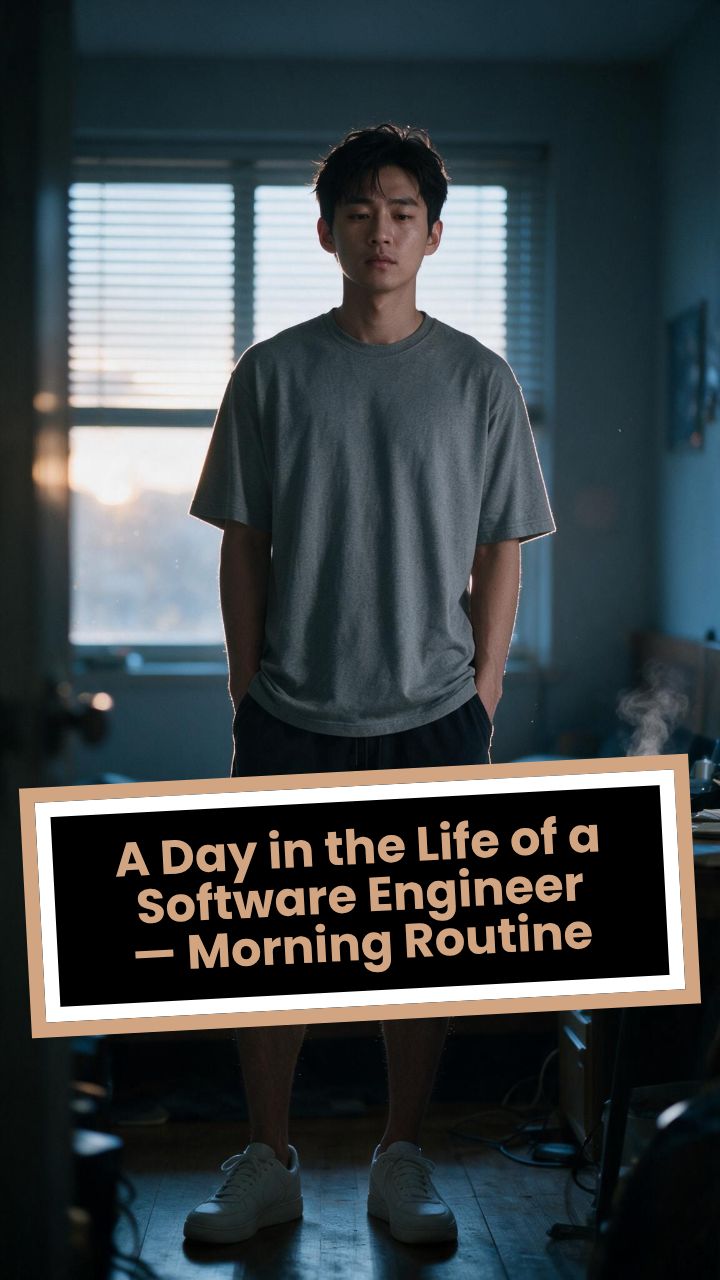
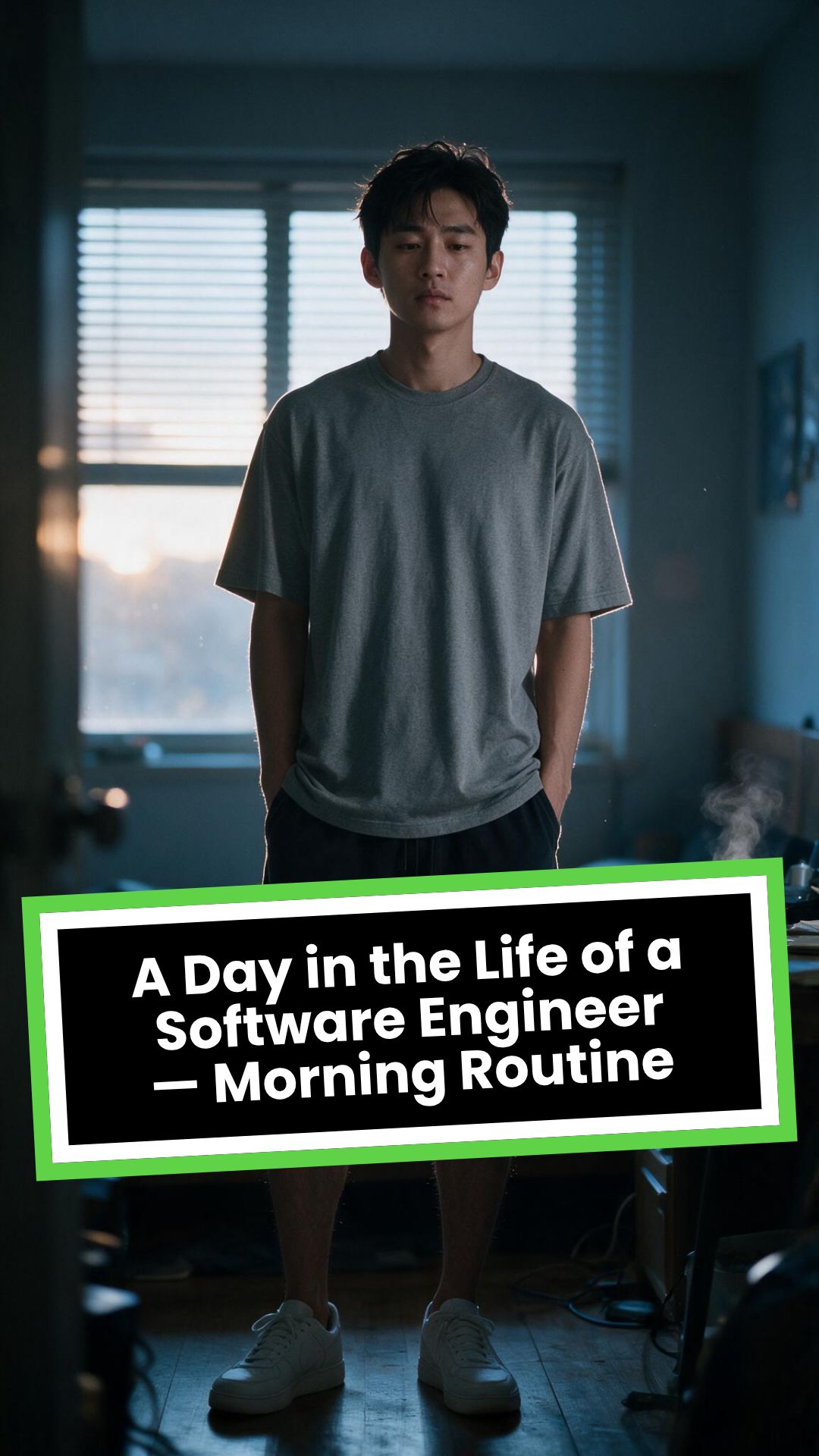
Media: AI videoPreset: PhotographyRatio: 9:16Quality: UltraSeedance 1080p
Ferramentas relacionadas que você pode gostar:
ou explore nossas mais de 42 ferramentas para criar exatamente o vídeo que você deseja
**Recommended preset: Ultra Realism**
# A Day in the Life of a Software Engineer — Morning Routine
## STARTING FRAME
Extreme macro close-up of a smartphone resting face-up on a dark wooden bedside table in a quiet apartment bedroom before sunrise. The alarm reads **6:30 AM** in crisp white digits. The edge of the phone, tiny dust particles on the table, and the faint reflection of the screen are sharply detailed.
Several feet behind it, a young Asian man in his late twenties lies asleep beneath slightly rumpled bedding. He is only a soft, indistinct silhouette because of the extremely shallow depth of field. Cool blue-grey morning light leaks through partially closed curtains, creating faint horizontal shadows across the room.
A closed laptop, sleeping monitor, mechanical keyboard, notebook, headphones, water bottle, and hoodie resting over a desk chair are visible only as subdued background shapes.
The room is completely still.
Animate forward from this exact frame.
---
## [0s–3s] — THE ALARM
The camera remains extremely low, almost level with the bedside table.
For the first moment, nothing moves.
Then the alarm begins ringing.
The smartphone vibrates against the wooden surface in short mechanical pulses. One corner taps faintly against the table with each vibration. The glow from the screen reflects subtly across the wood grain.
Keep the sleeping man fully blurred in the background.
Do not reveal his face yet.
The curtains move almost imperceptibly from a weak draft. Distant traffic hums outside. A soft electrical ambience comes from the sleeping computer monitor.
Allow the alarm to interrupt the quiet rather than immediately triggering a reaction.
---
## [3s–6s] — THE FIRST REACTION
Begin a very slow rack focus away from the phone.
The alarm digits gradually soften.
The sleeping man’s shoulder, face, pillow, and blanket slowly resolve into focus.
He does not immediately wake.
His eyebrows contract slightly.
His head presses deeper into the pillow as though instinctively trying to escape the sound.
One hand shifts beneath the blanket.
His fingers curl faintly against the fabric.
The bedding moves only a few centimetres as his body reacts before his mind is fully awake.
The voice-over begins quietly:
> “Most days aren’t my best days.”
The delivery is close, restrained, personal, and slightly tired. It should sound like a private thought rather than narration for an audience.
---
## [6s–10s] — WAKING
His eyes open slowly.
They remain unfocused.
He blinks once.
A longer pause.
Then he blinks again.
His gaze drifts toward the sound without turning his head completely.
One hand emerges from beneath the blanket and reaches toward the bedside table. His arm moves heavily, dragging slightly across the mattress.
His fingers miss the phone on the first attempt.
They brush against the charging cable, slide across the table, then finally reach the screen.
He presses the alarm off.
The sound stops abruptly.
The room becomes quiet again.
Let the silence remain for a full beat.
His hand stays resting beside the phone rather than instantly returning to bed.
He exhales slowly through his nose.
The camera makes an almost imperceptible push toward him.
No dramatic expression. No exaggerated yawn.
Only the slow recognition that the day has started.
---
## [10s–14s] — SITTING UP
He turns onto one side.
The blanket pulls across his torso and gathers naturally around his waist.
His elbow presses into the mattress.
The mattress compresses visibly beneath his weight as he pushes himself upward.
His head rises last.
His hair is slightly flattened on one side and falls unevenly across his forehead.
He moves both legs toward the edge of the bed.
One foot searches for the floor.
Then the other.
His bare toes make contact first, followed by the rest of each foot.
He remains seated at the edge of the mattress.
His back curves slightly.
His shoulders hang low.
His hands rest loosely beside his thighs.
He stares at the floor without really looking at anything.
Hold this moment.
The creased bedding behind him should remain compressed where his body had been.
The voice-over continues after a natural pause:
> “But I remember why I do this…”
---
## [14s–17s] — STANDING
He shifts his feet slightly farther apart.
His weight moves forward.
His elbows press lightly against his thighs before he pushes himself upright.
His hips rise first, followed by his shoulders.
Show realistic balance adjustment as his body settles onto both feet.
He stands still for a brief moment.
His loose neutral-coloured T-shirt falls naturally back into place. His shoulders remain slightly lowered. His breathing is calm but heavy with sleep.
The camera stays behind him at approximately waist-to-shoulder height, observing rather than presenting him.
He takes two slow steps toward the bedroom wall.
His bare feet make soft contact with the floor.
He runs his fingers along the wall for a moment before finding the light switch.
He presses it.
A warm bedside or ceiling practical light turns on.
Do not flood the entire room with brightness.
The warm light should gradually reveal wood, bedding, fabric, and skin while the cool morning light remains visible through the curtains.
His eyes narrow slightly in response.
---
## [17s–20s] — TOWARD THE BATHROOM
He turns toward the bathroom doorway and begins walking.
The camera follows several steps behind with restrained handheld drift.
His pace is slow and partially automatic.
He does not acknowledge the camera.
His arms hang naturally beside him.
His shirt moves subtly across his back with each step.
Use the bathroom doorway as a natural frame around his body.
As he crosses the threshold, briefly hold the bedroom in the background:
* the unmade bed;
* the silent phone;
* the closed laptop;
* the dark monitor;
* the hoodie over the chair;
* cool daylight still entering through the curtains.
The voice-over completes:
> “…and I get up anyway.”
The line should not swell emotionally. It should land quietly, almost as though he is reminding himself.
---
## [20s–25s] — THE BATHROOM
Follow him into a small, modern, lived-in bathroom.
Use one hidden natural transition as the camera passes behind the doorframe if necessary, but preserve the feeling of one continuous shot.
He reaches toward the bathroom light switch.
A soft neutral overhead light turns on.
The camera settles into a side angle where both his real profile and part of his reflection are visible. He never looks directly into the lens.
His face in the mirror appears tired but composed.
He reaches toward a simple toothbrush holder.
His fingers close around the toothbrush.
He turns the tap handle.
Water begins flowing into the basin with a steady, natural sound.
Small droplets strike the ceramic surface and collect around the drain.
He briefly passes the toothbrush beneath the water.
He picks up the toothpaste with his other hand.
His thumb flips open the cap.
He positions the tube above the brush and squeezes slowly.
The tube compresses naturally between his fingers.
A small line of toothpaste settles across the bristles.
He releases pressure, places the toothpaste beside the sink, and brings the toothbrush to his mouth.
He begins brushing with slow, absent-minded movements.
His free hand rests against the edge of the basin.
The water continues running softly for a moment before he reaches over and turns it off.
End with him brushing his teeth in silence while early-morning ambience fills the room.
No smile.
No inspirational pose.
No sudden burst of energy.
The morning has simply begun.
---
# CAMERA DIRECTION
* One continuous observational sequence whenever possible.
* Extreme macro lens for the opening alarm.
* Very shallow depth of field during the first six seconds.
* Slow rack focus from the alarm to the sleeping man.
* Subtle push-in while he wakes.
* Low bedside camera placement.
* Gentle handheld drift only after he stands.
* Restrained tracking movement toward the bathroom.
* Use the bedroom and bathroom doorframes as natural foreground obstruction.
* Slight parallax as the camera follows him.
* Side-angle bathroom composition with a partial mirror reflection.
* Camera movement must feel physically operated by a patient documentary filmmaker.
* No orbiting around the character.
* No floating camera.
* No passing through walls.
* No dramatic sweeps or crane movements.
* No rapid cuts.
* One concealed doorway transition is permitted for stability.
---
# CHARACTER PERFORMANCE
Use one consistent young Asian man in his mid-to-late twenties.
He should appear like a normal working software engineer rather than a fashion model.
Maintain:
* slightly messy morning hair;
* naturally tired eyes;
* realistic skin texture;
* ordinary body proportions;
* loose neutral T-shirt;
* comfortable shorts or pyjama trousers;
* bare feet;
* understated, believable posture.
His sleepiness should be communicated through timing and body weight.
He should:
* blink heavily;
* pause before each major movement;
* keep his shoulders slightly lowered;
* move his hands without perfect coordination immediately after waking;
* shift his weight realistically;
* walk quietly;
* remain unaware of the camera;
* never perform the voice-over on screen.
Do not make him appear severely exhausted, unwell, intoxicated, miserable, or emotionally distressed.
---
# ENVIRONMENTAL DETAIL
The apartment should feel modest, modern, believable, and personally inhabited.
Bedroom details may include:
* closed laptop;
* monitor in sleep mode;
* mechanical keyboard;
* notebook with a pen;
* headphones;
* charging cable;
* water bottle;
* desk chair;
* hoodie over the chair;
* soft curtains;
* plain bedding;
* digital alarm or smartphone.
These objects must remain secondary.
Avoid excessive RGB lighting, futuristic interfaces, glowing code, multiple giant monitors, hacker imagery, or stereotypical technology props.
The bathroom should include:
* small ceramic sink;
* ordinary mirror;
* toothbrush holder;
* toothpaste;
* hand towel;
* simple shelf;
* subtle tile reflections;
* minor signs of everyday use.
Avoid a spotless luxury hotel bathroom.
---
# LIGHTING AND COLOUR
* Begin with soft, cool, low-contrast dawn light.
* Use blue-grey illumination passing naturally through curtains or blinds.
* Let the alarm screen create a small local glow.
* Introduce warm practical light when he presses the bedroom switch.
* Preserve the contrast between cool exterior daylight and warm interior light.
* Use soft neutral or slightly warm bathroom lighting.
* Maintain natural skin tones.
* Use gentle cinematic contrast and realistic shadow falloff.
* Keep the overall palette muted, intimate, and grounded.
Avoid:
* neon colours;
* heavy teal-and-orange grading;
* artificial lens flares;
* dramatic rim lighting;
* fantasy glow;
* excessive darkness;
* overexposed bathroom lighting;
* motivational-commercial brightness.
---
# SOUND DESIGN
Keep the soundscape quiet, layered, and tactile.
### Bedroom ambience
* distant city traffic;
* faint room tone;
* soft electrical hum;
* subtle curtain movement;
* alarm vibration against wood;
* charging cable shifting;
* bedding sliding;
* mattress compression;
* breathing;
* bare feet touching the floor;
* quiet fabric movement;
* light-switch click;
* soft footsteps.
### Bathroom ambience
* bathroom switch;
* toothbrush lifted from the holder;
* tap handle turning;
* water striking the basin;
* toothbrush touching water;
* toothpaste cap opening;
* tube compressing;
* toothpaste settling on the bristles;
* slow brushing;
* subtle room echo.
The voice-over should sit gently above these sounds rather than overpowering them.
---
# VOICE-OVER
Use a young adult male voice.
Delivery must be:
* quiet;
* sincere;
* close-microphone;
* slightly tired;
* reflective;
* conversational;
* emotionally restrained.
Do not use trailer narration, motivational-speaker cadence, inspirational music swelling, or exaggerated pauses.
Voice-over text:
> “Most days aren’t my best days.
> But I remember why I do this…
> and I get up anyway.”
Begin the first sentence during the focus shift.
Deliver the second sentence while he sits at the edge of the bed.
Complete the final phrase as he walks into the bathroom.
---
# PHYSICAL REALISM
Every movement must show weight, resistance, and consequence.
Include:
* smartphone vibrating against wood;
* blanket tension as he moves;
* pillow compression;
* mattress deformation beneath his elbow and hips;
* feet searching for the floor;
* realistic centre-of-gravity changes while standing;
* natural cloth movement;
* proper hand contact with the switch;
* believable walking rhythm;
* accurate grip on the toothbrush and toothpaste;
* realistic water flow;
* toothpaste tube deformation;
* correct mirror behaviour;
* natural brushing motion.
Objects must not move unless physically touched or affected by the environment.
---
# CONTINUITY REQUIREMENTS
Maintain exactly the same:
* face;
* hairstyle;
* clothing;
* body proportions;
* skin tone;
* bedroom arrangement;
* bathroom arrangement;
* phone;
* bedding;
* toothbrush;
* toothpaste;
* lighting direction;
* time of morning.
The bathroom must feel directly connected to the bedroom.
The character must not change appearance between spaces.
The mirror reflection must match his real movement precisely.
---
# NEGATIVE CONSTRAINTS
* No direct eye contact with the camera.
* No on-screen dialogue.
* No lip-syncing to the voice-over.
* No influencer presentation.
* No vlog gestures.
* No smiling at the audience.
* No fast montage.
* No opening the laptop.
* No typing or coding.
* No breakfast sequence.
* No shower.
* No getting dressed.
* No leaving the apartment.
* No dramatic stretching.
* No exaggerated yawning.
* No energetic wake-up.
* No instant movement from bed to bathroom.
* No teleportation.
* No unrelated extra scenes.
* No rapid edits.
* No impossible camera paths.
* No random camera shake.
* No warped mirror reflection.
* No changing facial features.
* No changing clothes.
* No malformed hands.
* No extra fingers.
* No floating objects.
* No disappearing props.
* No changing room layout.
* No excessive slow motion.
* No text overlays.
* No captions.
* No logos.
* No watermark.
* No artificial motivational-commercial tone.
Formato visualVídeo IA
Estilo visualPhotography
VÍDEO FINAL
Transforme Suas Fotos em Vídeos Incríveis em 3 Passos Simples com IA
1 Carregue Suas Fotos
Comece por selecionar e carregar as imagens que deseja transformar em vídeo. Clique em "Carregar Suas Fotos" e escolha os arquivos do seu dispositivo. Opcionalmente, pode adicionar uma breve descrição para suas fotos, como "Férias de verão em família 2024", para dar contexto ao seu projeto de conversão de foto para vídeo.
2 Personalize Seu Vídeo
Ajuste as configurações para criar o vídeo perfeito. Defina a "Duração Alvo" do seu vídeo, escolha a "Proporção da tela" (paisagem, retrato ou quadrado) ideal para onde vai partilhar. Selecione uma música de fundo da nossa biblioteca (o padrão é "Observer") ou carregue a sua. Para um toque extra, explore opções como "Aplicar transferência de estilo" para dar um visual artístico às suas fotos, ou "Transformar imagens em vídeos AI" para animar cada foto individualmente.
3 Crie e Refine Seu Vídeo
Clique no botão "Gerar Vídeo" e deixe a nossa inteligência artificial fazer a magia, criando uma montagem de vídeo com fotos, transições suaves e música. Em poucos minutos, seu vídeo estará pronto. Depois, pode usar o nosso editor integrado para fazer ajustes finais, adicionar texto ou aperfeiçoar os detalhes antes de baixar e partilhar sua obra-prima.
Mais ferramentas
Explore ferramentas de vídeo com IA semelhantes de Edição de Vídeo
Descubra mais maneiras de criar vídeos envolventes com nossas ferramentas baseadas em IA
FAQ
Perguntas Frequentes
O que é o Conversor de Foto para Vídeo da Revid AI?
O Conversor de Foto para Vídeo da Revid AI é uma ferramenta poderosa que usa inteligência artificial para transformar suas coleções de fotos em vídeos dinâmicos e envolventes. É a maneira mais simples de criar um slideshow com fotos e música, perfeito para partilhar nas redes sociais, criar apresentações memoráveis ou simplesmente reviver suas melhores recordações.
Como posso criar um vídeo a partir das minhas fotos com esta ferramenta?
É muito fácil transformar suas fotos em vídeo! Primeiro, carregue as imagens desejadas. Em seguida, personalize as opções como a duração do vídeo, a proporção da tela (9:16 para TikTok, 16:9 para YouTube, etc.) e adicione música. Pode também optar por funcionalidades AI avançadas como aplicar estilos artísticos ou animar suas fotos. Por fim, clique em "Gerar Vídeo" e, em minutos, seu vídeo com fotos estará pronto para ser editado ou partilhado.
Que tipos de ficheiros de imagem posso usar para o meu vídeo de fotos?
Nosso conversor de foto para vídeo suporta os formatos de imagem mais comuns, como JPG, PNG, e GIF. Para obter os melhores resultados na sua montagem de vídeo com fotos, recomendamos o uso de imagens com boa resolução. Pode carregar fotos de qualquer tema: viagens, eventos, produtos, e mais.
Posso adicionar a minha própria música ao vídeo criado com fotos?
Sim, claro! Embora ofereçamos uma seleção de faixas de áudio, incluindo a opção padrão "Observer", você pode facilmente carregar seu próprio ficheiro de áudio para ser a trilha sonora do seu vídeo. Isto permite personalizar completamente a atmosfera do seu vídeo com fotos e música.
Como defino a duração do meu vídeo de fotos?
Você tem controlo total sobre a duração do seu vídeo. Na secção de opções personalizadas, pode definir a "Duração Alvo" do seu vídeo, variando de 10 segundos a 600 segundos (10 minutos). Isto permite criar desde clipes curtos para redes sociais até apresentações de fotos mais longas.
Quais proporções de tela estão disponíveis para o meu vídeo?
Para garantir que seu vídeo de fotos fique perfeito em qualquer plataforma, oferecemos três opções de proporção de tela: paisagem (16:9), ideal para YouTube; retrato (9:16), perfeito para TikTok e Instagram Reels; e quadrado (1:1), ótimo para publicações no feed do Instagram.
O que são as opções "Aplicar transferência de estilo" e "Transformar imagens em vídeos AI"?
A opção "Aplicar transferência de estilo" permite aplicar filtros artísticos (como Ghibli, Anime, Esboço) às suas fotos, transformando-as visualmente, com um custo de 16 créditos por imagem. "Transformar imagens em vídeos AI" é um recurso que anima individualmente cada foto carregada, criando pequenos clipes de vídeo a partir delas, o que torna seu conteúdo final muito mais dinâmico e cativante. Esta funcionalidade pode ter custos de crédito adicionais, dependendo do modelo de geração de vídeo (Base, Pro, Ultra) escolhido.
Como funciona o sistema de créditos para este criador de vídeo com fotos?
A criação de um vídeo básico a partir das suas fotos consome créditos da sua conta Revid AI. Funcionalidades avançadas, como "Aplicar transferência de estilo" (que custa 16 créditos por cada imagem processada) ou "Transformar imagens em vídeos AI" (cujo custo varia com o modelo de IA selecionado), consumirão créditos adicionais. A quantidade de créditos disponíveis depende do seu plano de subscrição. Visite nossa página de preços para detalhes.
Quanto tempo demora para o conversor de foto para vídeo gerar o meu clipe?
O tempo necessário para transformar suas fotos em vídeo depende do número de imagens, da duração final do vídeo e se utilizou opções avançadas de IA. Geralmente, vídeos mais simples são gerados em poucos minutos. Assim que seu vídeo estiver pronto, enviaremos uma notificação por e-mail.
Posso editar o vídeo depois de ser criado a partir das minhas fotos?
Com certeza! Após a IA gerar seu vídeo, você terá acesso ao editor de vídeo integrado da Revid AI. Lá, poderá fazer ajustes finos, como reordenar fotos, alterar transições, adicionar texto, mudar a música de fundo e muito mais, garantindo que o resultado final seja exatamente como deseja.
É necessário preencher o campo "Descreva suas fotos"?
O campo "Descreva suas fotos" é opcional. Fornecer uma descrição (por exemplo, "Melhores momentos das férias na praia") pode ajudar a nossa IA a entender o contexto do seu projeto, mas a ferramenta criará o vídeo principalmente com base nas imagens que você carrega e nas configurações que escolher. Se não adicionar uma descrição, o vídeo será gerado na mesma.
Para que plataformas posso usar os vídeos criados com o conversor de fotos?
Os vídeos criados são perfeitos para partilhar em todas as principais plataformas de redes sociais, como TikTok, Instagram (Reels, Stories, publicações no feed), YouTube (incluindo Shorts), Facebook, e muitas outras. Com as opções de proporção de tela, pode otimizar seu vídeo para qualquer canal de partilha.
O que são os modelos de geração de vídeo "Base", "Pro" e "Ultra"?
Estes modelos referem-se a diferentes níveis de capacidade da nossa IA ao usar a funcionalidade "Transformar imagens em vídeos AI". O modelo "Base" oferece uma animação padrão, enquanto "Pro" e "Ultra" proporcionam animações mais sofisticadas e de maior qualidade para suas fotos, o que pode resultar num vídeo final mais impressionante. A escolha do modelo pode influenciar o custo em créditos.
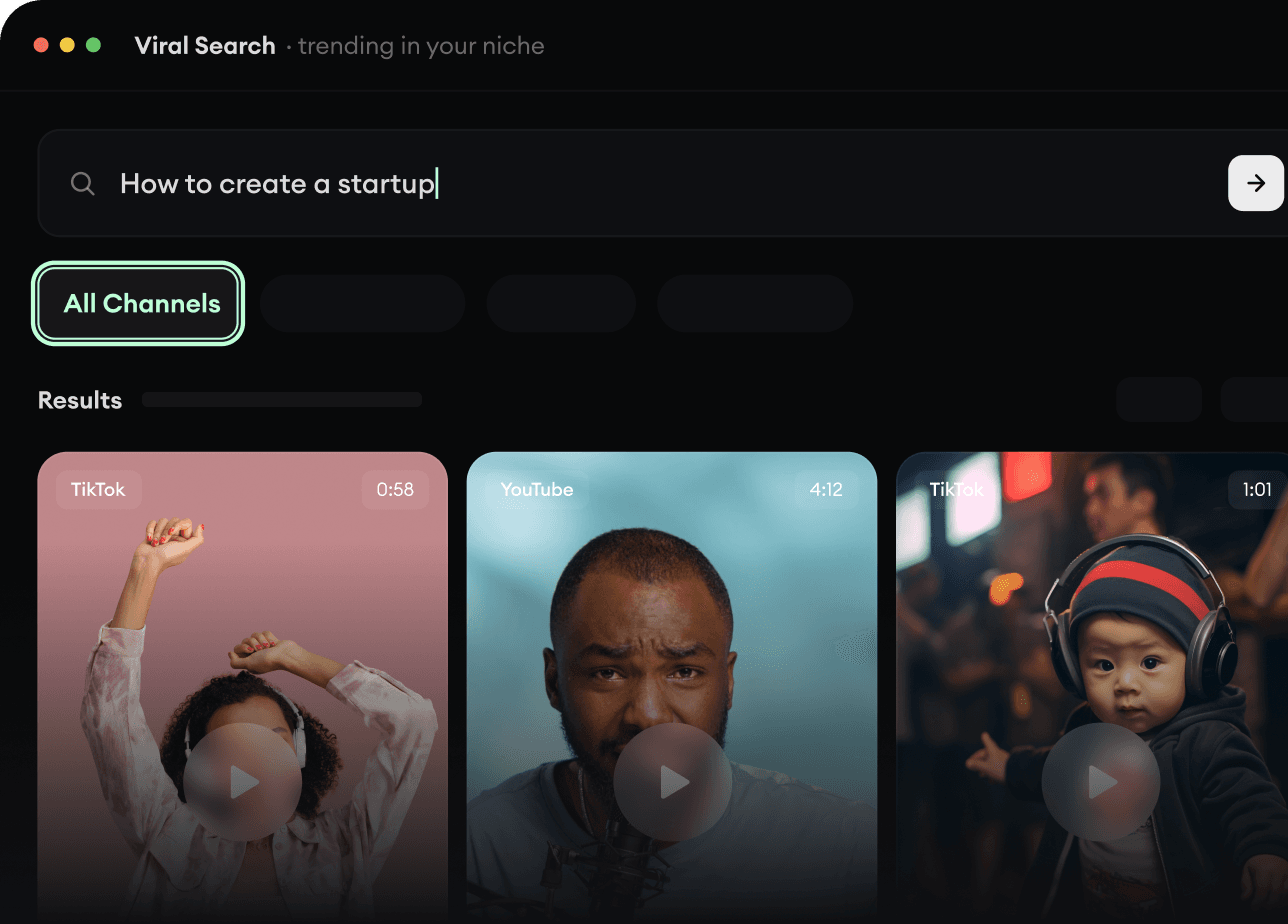
O Viral Search e o Channel Watcher da Revid AI revelam os formatos, criadores e tendências que estão chamando atenção agora, e ajudam você a transformá-los em ideias próprias.
Descubra os formatos que vencem no seu nicho
Acompanhe os criadores e canais que importam
Comece com ideias comprovadas em vez de adivinhar
2
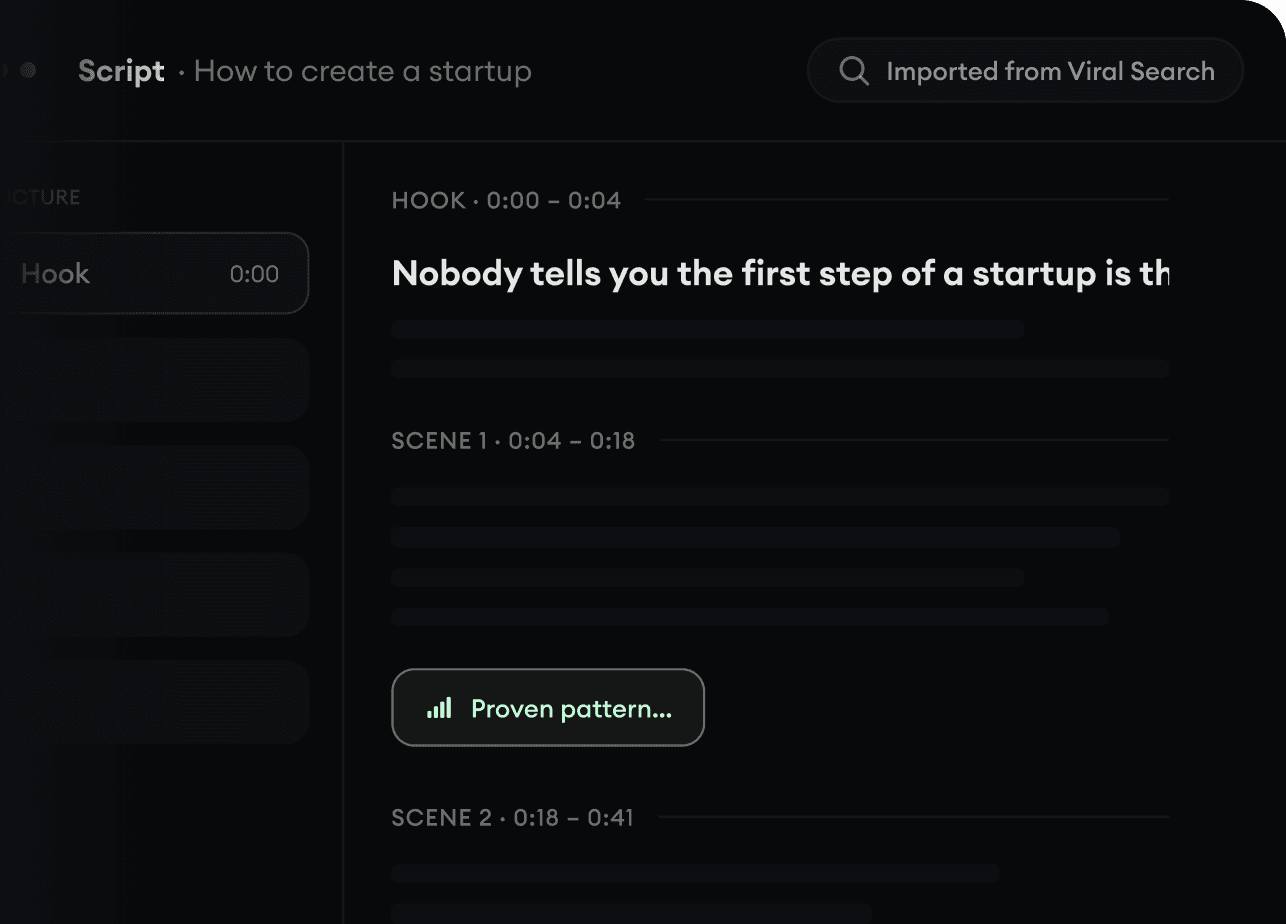
Transforme uma ideia em história.
Achou algo que vale a pena? A Revid AI escreve o roteiro, sugere a estrutura e transforma links, prompts ou temas em conceitos completos de vídeo.
Comece com um prompt, tema ou URL
Gere roteiros inspirados em padrões comprovados
Construa histórias feitas para prender a atenção
3
Gere o vídeo pronto.
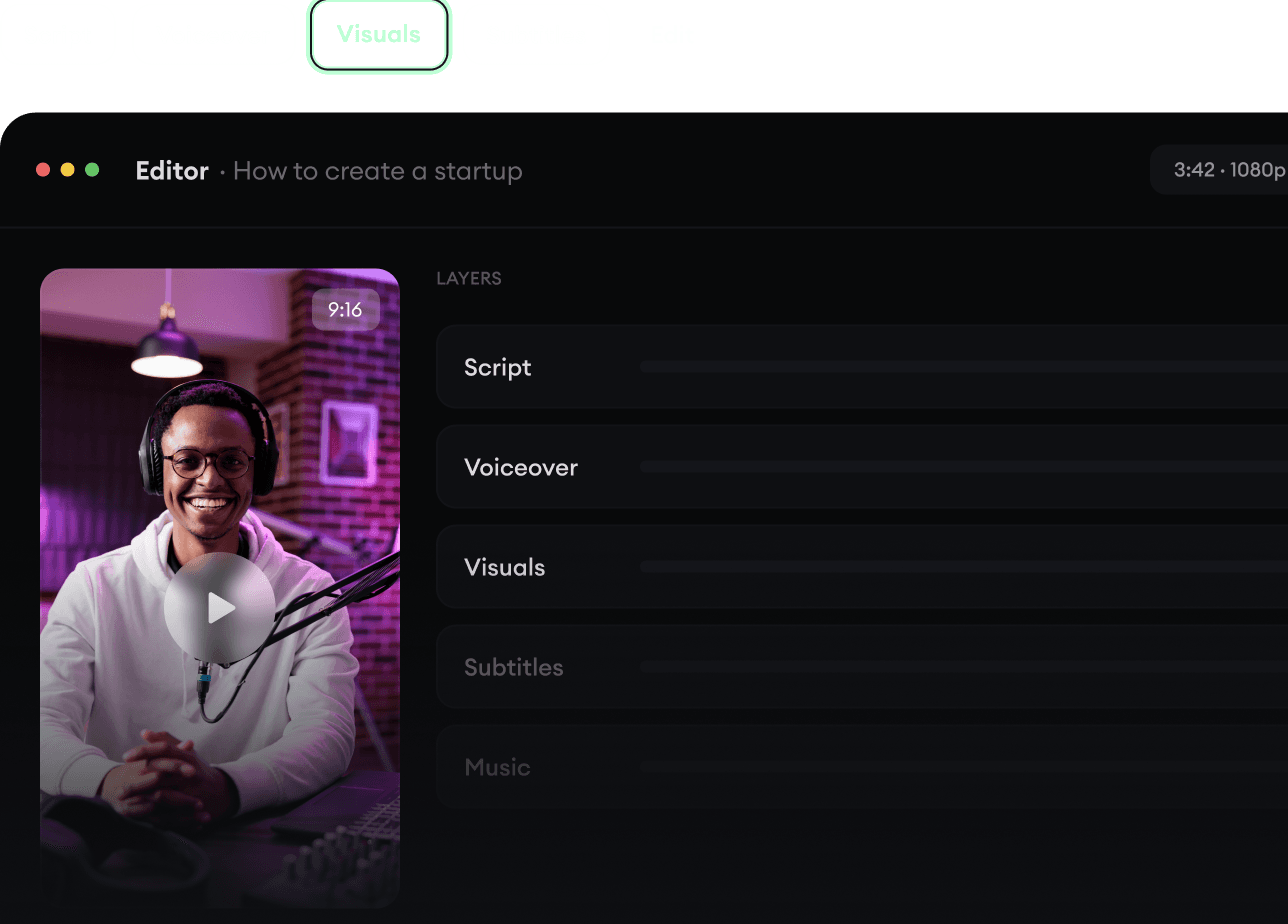
Roteiro, narração, visuais, legendas e edição, tudo em um único fluxo. Sem juntar cinco ferramentas diferentes.
Transforme texto em vídeos completos de vários minutos
Gere tudo em um só lugar
Refine o resultado no editor
4
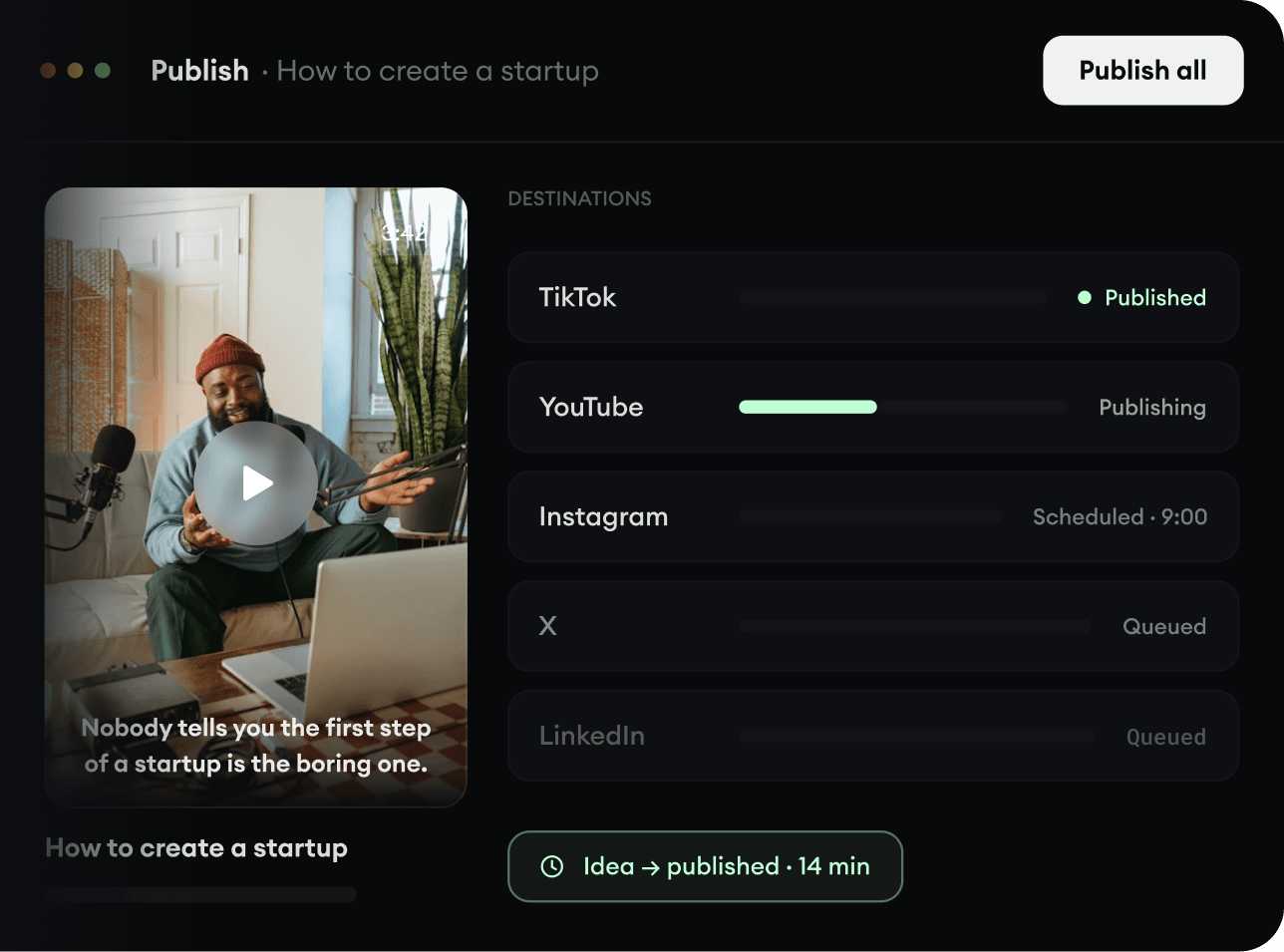
Publique em todo lugar.
Compartilhe seus vídeos no TikTok, YouTube, Instagram e onde estiver o seu público.