Über 30.000 Videos werden jeden Monat mit Revid veröffentlicht
KI-Bild-Animator
Erwecke deine Bilder mit unserem KI-Bild-Animator zum Leben. Lade ein beliebiges Foto hoch und sieh zu, wie die KI statische Bilder in beeindruckende animierte Videos mit fließenden Bewegungen und realistischen Effekten verwandelt.
Dein Video-Prompt
💡 Beschreibe in eigenen Worten, was du im Video sehen möchtest. Die KI erstellt daraus ein Skript.
2,774 Videos in den letzten 24h mit Revid erstellt
In wenigen Minuten fertig · Alles vor dem Posten bearbeiten
Beispielergebnisse
Media: AI videoPreset: PhotographyRatio: 9:16Quality: UltraSeedance 1080p
Diese Tools könnten dir gefallen:
oder entdecke über 42 weitere Tools für genau das Video, das du willst
**Recommended preset: Ultra Realism**
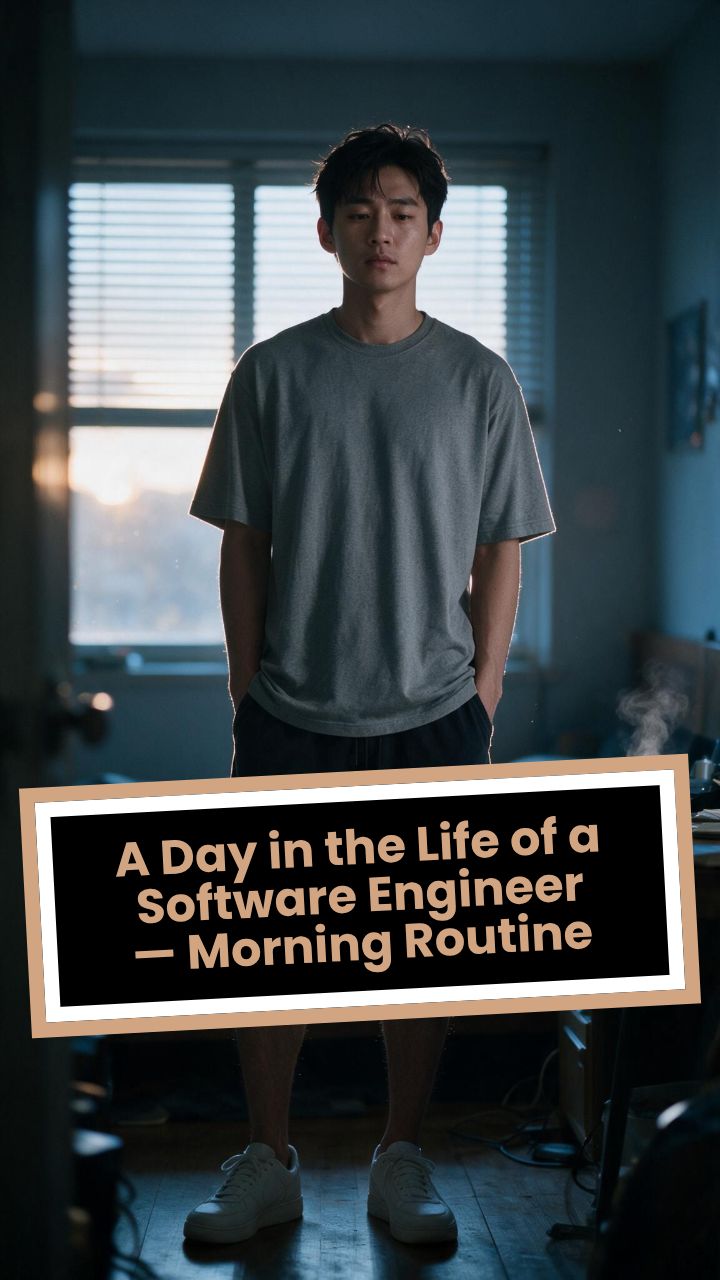
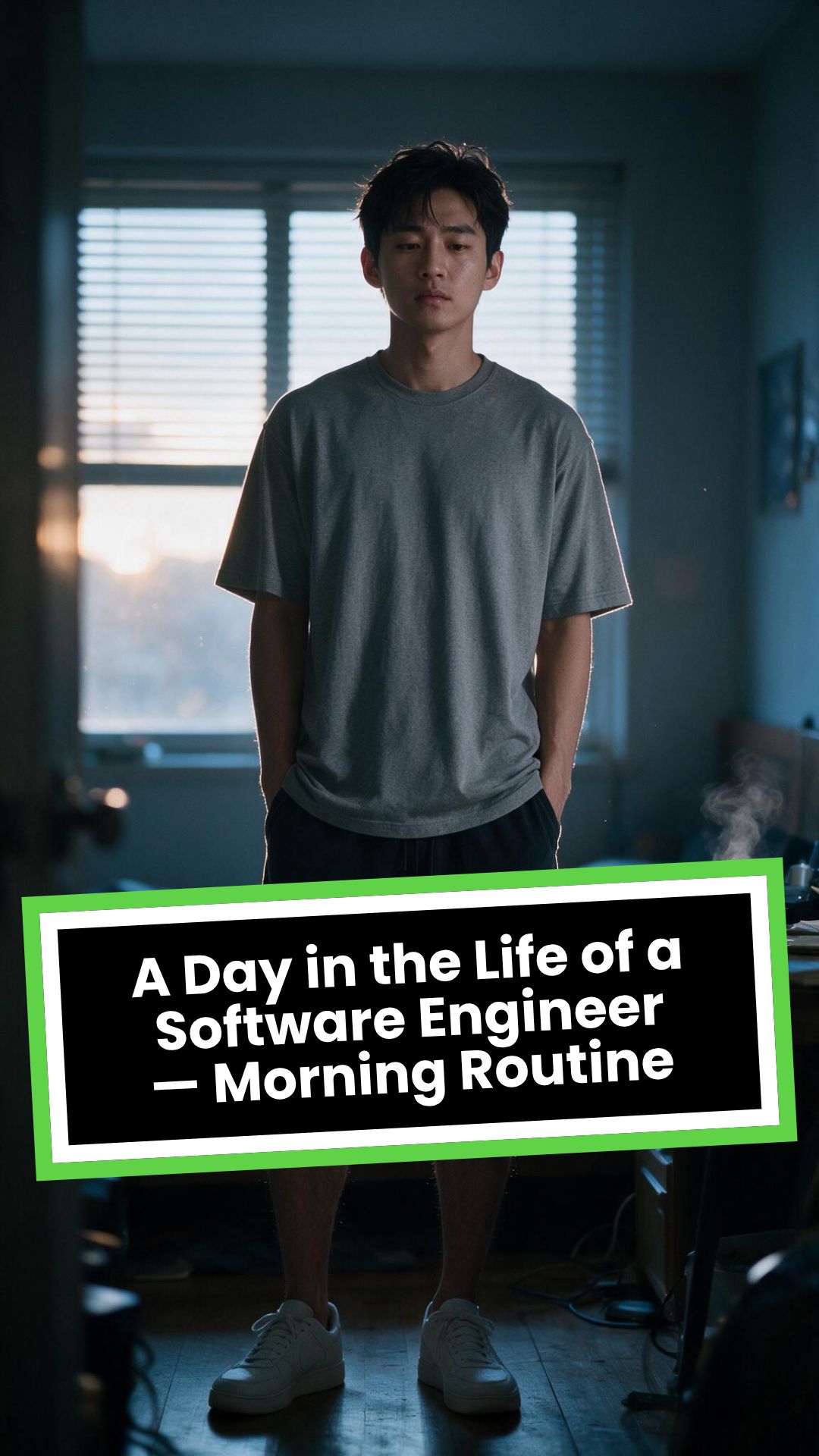
# A Day in the Life of a Software Engineer — Morning Routine
## STARTING FRAME
Extreme macro close-up of a smartphone resting face-up on a dark wooden bedside table in a quiet apartment bedroom before sunrise. The alarm reads **6:30 AM** in crisp white digits. The edge of the phone, tiny dust particles on the table, and the faint reflection of the screen are sharply detailed.
Several feet behind it, a young Asian man in his late twenties lies asleep beneath slightly rumpled bedding. He is only a soft, indistinct silhouette because of the extremely shallow depth of field. Cool blue-grey morning light leaks through partially closed curtains, creating faint horizontal shadows across the room.
A closed laptop, sleeping monitor, mechanical keyboard, notebook, headphones, water bottle, and hoodie resting over a desk chair are visible only as subdued background shapes.
The room is completely still.
Animate forward from this exact frame.
---
## [0s–3s] — THE ALARM
The camera remains extremely low, almost level with the bedside table.
For the first moment, nothing moves.
Then the alarm begins ringing.
The smartphone vibrates against the wooden surface in short mechanical pulses. One corner taps faintly against the table with each vibration. The glow from the screen reflects subtly across the wood grain.
Keep the sleeping man fully blurred in the background.
Do not reveal his face yet.
The curtains move almost imperceptibly from a weak draft. Distant traffic hums outside. A soft electrical ambience comes from the sleeping computer monitor.
Allow the alarm to interrupt the quiet rather than immediately triggering a reaction.
---
## [3s–6s] — THE FIRST REACTION
Begin a very slow rack focus away from the phone.
The alarm digits gradually soften.
The sleeping man’s shoulder, face, pillow, and blanket slowly resolve into focus.
He does not immediately wake.
His eyebrows contract slightly.
His head presses deeper into the pillow as though instinctively trying to escape the sound.
One hand shifts beneath the blanket.
His fingers curl faintly against the fabric.
The bedding moves only a few centimetres as his body reacts before his mind is fully awake.
The voice-over begins quietly:
> “Most days aren’t my best days.”
The delivery is close, restrained, personal, and slightly tired. It should sound like a private thought rather than narration for an audience.
---
## [6s–10s] — WAKING
His eyes open slowly.
They remain unfocused.
He blinks once.
A longer pause.
Then he blinks again.
His gaze drifts toward the sound without turning his head completely.
One hand emerges from beneath the blanket and reaches toward the bedside table. His arm moves heavily, dragging slightly across the mattress.
His fingers miss the phone on the first attempt.
They brush against the charging cable, slide across the table, then finally reach the screen.
He presses the alarm off.
The sound stops abruptly.
The room becomes quiet again.
Let the silence remain for a full beat.
His hand stays resting beside the phone rather than instantly returning to bed.
He exhales slowly through his nose.
The camera makes an almost imperceptible push toward him.
No dramatic expression. No exaggerated yawn.
Only the slow recognition that the day has started.
---
## [10s–14s] — SITTING UP
He turns onto one side.
The blanket pulls across his torso and gathers naturally around his waist.
His elbow presses into the mattress.
The mattress compresses visibly beneath his weight as he pushes himself upward.
His head rises last.
His hair is slightly flattened on one side and falls unevenly across his forehead.
He moves both legs toward the edge of the bed.
One foot searches for the floor.
Then the other.
His bare toes make contact first, followed by the rest of each foot.
He remains seated at the edge of the mattress.
His back curves slightly.
His shoulders hang low.
His hands rest loosely beside his thighs.
He stares at the floor without really looking at anything.
Hold this moment.
The creased bedding behind him should remain compressed where his body had been.
The voice-over continues after a natural pause:
> “But I remember why I do this…”
---
## [14s–17s] — STANDING
He shifts his feet slightly farther apart.
His weight moves forward.
His elbows press lightly against his thighs before he pushes himself upright.
His hips rise first, followed by his shoulders.
Show realistic balance adjustment as his body settles onto both feet.
He stands still for a brief moment.
His loose neutral-coloured T-shirt falls naturally back into place. His shoulders remain slightly lowered. His breathing is calm but heavy with sleep.
The camera stays behind him at approximately waist-to-shoulder height, observing rather than presenting him.
He takes two slow steps toward the bedroom wall.
His bare feet make soft contact with the floor.
He runs his fingers along the wall for a moment before finding the light switch.
He presses it.
A warm bedside or ceiling practical light turns on.
Do not flood the entire room with brightness.
The warm light should gradually reveal wood, bedding, fabric, and skin while the cool morning light remains visible through the curtains.
His eyes narrow slightly in response.
---
## [17s–20s] — TOWARD THE BATHROOM
He turns toward the bathroom doorway and begins walking.
The camera follows several steps behind with restrained handheld drift.
His pace is slow and partially automatic.
He does not acknowledge the camera.
His arms hang naturally beside him.
His shirt moves subtly across his back with each step.
Use the bathroom doorway as a natural frame around his body.
As he crosses the threshold, briefly hold the bedroom in the background:
* the unmade bed;
* the silent phone;
* the closed laptop;
* the dark monitor;
* the hoodie over the chair;
* cool daylight still entering through the curtains.
The voice-over completes:
> “…and I get up anyway.”
The line should not swell emotionally. It should land quietly, almost as though he is reminding himself.
---
## [20s–25s] — THE BATHROOM
Follow him into a small, modern, lived-in bathroom.
Use one hidden natural transition as the camera passes behind the doorframe if necessary, but preserve the feeling of one continuous shot.
He reaches toward the bathroom light switch.
A soft neutral overhead light turns on.
The camera settles into a side angle where both his real profile and part of his reflection are visible. He never looks directly into the lens.
His face in the mirror appears tired but composed.
He reaches toward a simple toothbrush holder.
His fingers close around the toothbrush.
He turns the tap handle.
Water begins flowing into the basin with a steady, natural sound.
Small droplets strike the ceramic surface and collect around the drain.
He briefly passes the toothbrush beneath the water.
He picks up the toothpaste with his other hand.
His thumb flips open the cap.
He positions the tube above the brush and squeezes slowly.
The tube compresses naturally between his fingers.
A small line of toothpaste settles across the bristles.
He releases pressure, places the toothpaste beside the sink, and brings the toothbrush to his mouth.
He begins brushing with slow, absent-minded movements.
His free hand rests against the edge of the basin.
The water continues running softly for a moment before he reaches over and turns it off.
End with him brushing his teeth in silence while early-morning ambience fills the room.
No smile.
No inspirational pose.
No sudden burst of energy.
The morning has simply begun.
---
# CAMERA DIRECTION
* One continuous observational sequence whenever possible.
* Extreme macro lens for the opening alarm.
* Very shallow depth of field during the first six seconds.
* Slow rack focus from the alarm to the sleeping man.
* Subtle push-in while he wakes.
* Low bedside camera placement.
* Gentle handheld drift only after he stands.
* Restrained tracking movement toward the bathroom.
* Use the bedroom and bathroom doorframes as natural foreground obstruction.
* Slight parallax as the camera follows him.
* Side-angle bathroom composition with a partial mirror reflection.
* Camera movement must feel physically operated by a patient documentary filmmaker.
* No orbiting around the character.
* No floating camera.
* No passing through walls.
* No dramatic sweeps or crane movements.
* No rapid cuts.
* One concealed doorway transition is permitted for stability.
---
# CHARACTER PERFORMANCE
Use one consistent young Asian man in his mid-to-late twenties.
He should appear like a normal working software engineer rather than a fashion model.
Maintain:
* slightly messy morning hair;
* naturally tired eyes;
* realistic skin texture;
* ordinary body proportions;
* loose neutral T-shirt;
* comfortable shorts or pyjama trousers;
* bare feet;
* understated, believable posture.
His sleepiness should be communicated through timing and body weight.
He should:
* blink heavily;
* pause before each major movement;
* keep his shoulders slightly lowered;
* move his hands without perfect coordination immediately after waking;
* shift his weight realistically;
* walk quietly;
* remain unaware of the camera;
* never perform the voice-over on screen.
Do not make him appear severely exhausted, unwell, intoxicated, miserable, or emotionally distressed.
---
# ENVIRONMENTAL DETAIL
The apartment should feel modest, modern, believable, and personally inhabited.
Bedroom details may include:
* closed laptop;
* monitor in sleep mode;
* mechanical keyboard;
* notebook with a pen;
* headphones;
* charging cable;
* water bottle;
* desk chair;
* hoodie over the chair;
* soft curtains;
* plain bedding;
* digital alarm or smartphone.
These objects must remain secondary.
Avoid excessive RGB lighting, futuristic interfaces, glowing code, multiple giant monitors, hacker imagery, or stereotypical technology props.
The bathroom should include:
* small ceramic sink;
* ordinary mirror;
* toothbrush holder;
* toothpaste;
* hand towel;
* simple shelf;
* subtle tile reflections;
* minor signs of everyday use.
Avoid a spotless luxury hotel bathroom.
---
# LIGHTING AND COLOUR
* Begin with soft, cool, low-contrast dawn light.
* Use blue-grey illumination passing naturally through curtains or blinds.
* Let the alarm screen create a small local glow.
* Introduce warm practical light when he presses the bedroom switch.
* Preserve the contrast between cool exterior daylight and warm interior light.
* Use soft neutral or slightly warm bathroom lighting.
* Maintain natural skin tones.
* Use gentle cinematic contrast and realistic shadow falloff.
* Keep the overall palette muted, intimate, and grounded.
Avoid:
* neon colours;
* heavy teal-and-orange grading;
* artificial lens flares;
* dramatic rim lighting;
* fantasy glow;
* excessive darkness;
* overexposed bathroom lighting;
* motivational-commercial brightness.
---
# SOUND DESIGN
Keep the soundscape quiet, layered, and tactile.
### Bedroom ambience
* distant city traffic;
* faint room tone;
* soft electrical hum;
* subtle curtain movement;
* alarm vibration against wood;
* charging cable shifting;
* bedding sliding;
* mattress compression;
* breathing;
* bare feet touching the floor;
* quiet fabric movement;
* light-switch click;
* soft footsteps.
### Bathroom ambience
* bathroom switch;
* toothbrush lifted from the holder;
* tap handle turning;
* water striking the basin;
* toothbrush touching water;
* toothpaste cap opening;
* tube compressing;
* toothpaste settling on the bristles;
* slow brushing;
* subtle room echo.
The voice-over should sit gently above these sounds rather than overpowering them.
---
# VOICE-OVER
Use a young adult male voice.
Delivery must be:
* quiet;
* sincere;
* close-microphone;
* slightly tired;
* reflective;
* conversational;
* emotionally restrained.
Do not use trailer narration, motivational-speaker cadence, inspirational music swelling, or exaggerated pauses.
Voice-over text:
> “Most days aren’t my best days.
> But I remember why I do this…
> and I get up anyway.”
Begin the first sentence during the focus shift.
Deliver the second sentence while he sits at the edge of the bed.
Complete the final phrase as he walks into the bathroom.
---
# PHYSICAL REALISM
Every movement must show weight, resistance, and consequence.
Include:
* smartphone vibrating against wood;
* blanket tension as he moves;
* pillow compression;
* mattress deformation beneath his elbow and hips;
* feet searching for the floor;
* realistic centre-of-gravity changes while standing;
* natural cloth movement;
* proper hand contact with the switch;
* believable walking rhythm;
* accurate grip on the toothbrush and toothpaste;
* realistic water flow;
* toothpaste tube deformation;
* correct mirror behaviour;
* natural brushing motion.
Objects must not move unless physically touched or affected by the environment.
---
# CONTINUITY REQUIREMENTS
Maintain exactly the same:
* face;
* hairstyle;
* clothing;
* body proportions;
* skin tone;
* bedroom arrangement;
* bathroom arrangement;
* phone;
* bedding;
* toothbrush;
* toothpaste;
* lighting direction;
* time of morning.
The bathroom must feel directly connected to the bedroom.
The character must not change appearance between spaces.
The mirror reflection must match his real movement precisely.
---
# NEGATIVE CONSTRAINTS
* No direct eye contact with the camera.
* No on-screen dialogue.
* No lip-syncing to the voice-over.
* No influencer presentation.
* No vlog gestures.
* No smiling at the audience.
* No fast montage.
* No opening the laptop.
* No typing or coding.
* No breakfast sequence.
* No shower.
* No getting dressed.
* No leaving the apartment.
* No dramatic stretching.
* No exaggerated yawning.
* No energetic wake-up.
* No instant movement from bed to bathroom.
* No teleportation.
* No unrelated extra scenes.
* No rapid edits.
* No impossible camera paths.
* No random camera shake.
* No warped mirror reflection.
* No changing facial features.
* No changing clothes.
* No malformed hands.
* No extra fingers.
* No floating objects.
* No disappearing props.
* No changing room layout.
* No excessive slow motion.
* No text overlays.
* No captions.
* No logos.
* No watermark.
* No artificial motivational-commercial tone.
Lade zuerst das statische Foto oder Bild hoch, das du animieren möchtest. Unser KI-Bild-Animator unterstützt gängige Formate wie JPG und PNG. Du kannst ein einzelnes Bild oder mehrere Bilder auswählen, um eine animierte Sequenz zu erstellen.
2 Passe deine Animation an
Steuere die KI, indem du die gewünschte Bewegung im Prompt-Feld beschreibst. Wähle das Seitenverhältnis deines Videos (9:16, 16:9 oder 1:1), lege die Dauer fest und füge einen Voiceover mit unseren KI-Stimmen hinzu oder nimm selbst einen auf. Für erweiterte Effekte aktivierst du „Stil übertragen anwenden“, um den Look deines Fotos zu verändern.
3 Generieren und teilen
Klicke auf „Video generieren“, und unsere KI verarbeitet deine Anfrage und macht aus deinem statischen Foto in wenigen Minuten ein dynamisches Video. Sobald es fertig ist, kannst du im Editor letzte Anpassungen vornehmen und dein Video dann herunterladen, um es auf TikTok, Instagram Reels oder YouTube zu teilen.
01
Erwecke jedes statische Bild mit KI als animiertes Video zum Leben
Lade ein beliebiges Foto hoch, und der KI-Bild-Animator von Revid wendet realistische Bewegungseffekte auf den Bildinhalt an. So wird aus einer statischen Komposition ein dynamisches Video mit natürlicher Bewegung. Porträts erhalten einen dezenten, lebendigen Ausdruck, Landschaften bekommen Bewegung in der Umgebung und Produktbilder gewinnen filmische Tiefe. Keyframing, Animations-Timeline oder Design-Software brauchst du dafür nicht. Vom Bild-Upload bis zum fertigen animierten Video vergehen nur Sekunden. So kannst du jedes Foto aus deiner Bibliothek animieren, ganz ohne technisches Animations-Know-how.
02
Was der KI-Bild-Animator aus deinem Foto generiert
Die KI analysiert die visuelle Komposition deines hochgeladenen Bildes, erkennt Motive und Hintergrundebenen und generiert Bewegungseffekte, die dazu passen, was sich in jedem Element der Szene natürlicherweise bewegen würde. Mit dem Text-Prompt kannst du die gewünschte Art der Animation beschreiben und die KI so zu bestimmten Bewegungsstilen lenken, etwa sanften Windeffekten, dramatischer filmischer Bewegung oder dezenter Porträtanimation. Das Ergebnis ist ein kurzer animierter Videoclip mit flüssiger, realistischer Bewegung, den du ohne weitere Bearbeitung teilen oder einbetten kannst.
03
Animierte Bild-Videos, die statische Beiträge auf jeder Plattform übertreffen
Kurze animierte Bild-Videos erzielen auf TikTok, Instagram Reels und YouTube Shorts deutlich höhere Engagement-Raten als vergleichbare statische Foto-Beiträge. Dasselbe Bild, das als Foto nur mäßig performt, bringt als animiertes Video spürbar mehr Aufrufe, Speicherungen und Profilbesuche. Fotografen, Illustratoren und Marken, die animierte Bild-Inhalte in ihre regelmäßige Posting-Strategie einbinden, verzeichnen durchweg ein stärkeres Kanalwachstum. Mit Revid kannst du jedes Bild in der Zeit animieren, die du für den Upload einer einzigen Datei brauchst.
Zielgruppe
Für wen ist dieses Tool?
Social-Media-Creator, die Fotos für Reels animieren
Verwandle deine besten Fotos in kurze animierte Videoclips für TikTok, Instagram Reels und YouTube Shorts, die mehr Aufrufe und Profilbesuche bringen als derselbe Inhalt als statischer Beitrag.
Künstler und Illustratoren, die ihre statischen Kunstwerke animieren
Erwecke deine Illustrationen, Gemälde und Grafiken zum Leben, indem du sie als kurze Videoclips animierst. So erreichst du den großen Teil der Kunst-Community, der hauptsächlich über Videos interagiert.
Fotografen, die Portfolio-Bildern Bewegung verleihen
Verwandle deine stärksten Portfolio-Fotos in animierte Videoversionen, die in Online-Galerien, Social-Media-Feeds und Kundenpräsentationen im Vergleich zu statischen Bildern herausstechen.
Marketing-Teams, die Produktfotos für Anzeigen animieren
Erstelle animierte Versionen deiner Produktfotografie für Social Ads und organische Inhalte, die statische Bild-Creatives auf TikTok, Instagram und Facebook als Anzeigenplatzierungen übertreffen.
Vergleich
Revid vs. Bilder manuell mit Design-Software animieren
Ein statisches Bild manuell zu animieren erfordert Design-Software, Ebenentrennung, Keyframing und Rendering. Revid generiert aus deinem hochgeladenen Bild automatisch ein fertiges animiertes Video mit KI-Bewegungsgenerierung.
Eingabe
Revid KI-Bild-AnimatorBild hochladen und sofort ein animiertes Video generieren
Andere ToolsBild in Animationssoftware importieren und Ebenen manuell einrichten
Bewegungsgenerierung
Revid KI-Bild-AnimatorDie KI wendet automatisch realistische Bewegungseffekte auf alle Bildelemente an
Andere ToolsManuelles Keyframing für jedes animierte Element erforderlich
Erforderliche Kenntnisse
Revid KI-Bild-AnimatorKeine Animations-, Design- oder technischen Kenntnisse nötig
Andere ToolsSicherer Umgang mit Animationssoftware und Keyframing erforderlich
Produktionszeit
Revid KI-Bild-AnimatorFertiges animiertes Video in Sekunden pro Bild
Andere ToolsStunden für Einrichtung, Animation und Rendering pro Bild
Kontrolle über den Bewegungsstil
Revid KI-Bild-AnimatorGewünschte Bewegung in einem Text-Prompt beschreiben
Andere ToolsKeyframes und Parameter für jede Bewegungseigenschaft manuell anpassen
Menge an Inhalten
Revid KI-Bild-AnimatorMehrere Bilder in einer Sitzung animieren
Andere ToolsJedes Bild erfordert einen eigenen, vollständigen Animations-Workflow
Funktion / Vorteil
Revid KI-Bild-Animator
Andere Tools
Eingabe
Bild hochladen und sofort ein animiertes Video generieren
Bild in Animationssoftware importieren und Ebenen manuell einrichten
Bewegungsgenerierung
Die KI wendet automatisch realistische Bewegungseffekte auf alle Bildelemente an
Manuelles Keyframing für jedes animierte Element erforderlich
Erforderliche Kenntnisse
Keine Animations-, Design- oder technischen Kenntnisse nötig
Sicherer Umgang mit Animationssoftware und Keyframing erforderlich
Produktionszeit
Fertiges animiertes Video in Sekunden pro Bild
Stunden für Einrichtung, Animation und Rendering pro Bild
Kontrolle über den Bewegungsstil
Gewünschte Bewegung in einem Text-Prompt beschreiben
Keyframes und Parameter für jede Bewegungseigenschaft manuell anpassen
Menge an Inhalten
Mehrere Bilder in einer Sitzung animieren
Jedes Bild erfordert einen eigenen, vollständigen Animations-Workflow
Weitere Tools
Entdecke ähnliche KI-Video-Tools für Videoerstellung
Entdecke weitere Möglichkeiten, mit unseren KI-Tools ansprechende Videos zu erstellen
FAQs
Häufig gestellte Fragen
Was ist der KI-Bild-Animator?
Unser KI-Bild-Animator ist ein leistungsstarkes Tool, das statische Fotos in fesselnde animierte Videos verwandelt. Lade einfach ein Bild hoch, und unsere KI fügt realistische Bewegungen, Kameraeffekte und weiche Übergänge hinzu, damit deine Bilder lebendig werden. So erstellst du ganz einfach ansprechende Videoinhalte aus deinen Fotos, ganz ohne technische Kenntnisse.
Wie kann ich mit diesem Tool ein Bild animieren?
Das geht in drei einfachen Schritten: 1. Lade dein Foto hoch. 2. Beschreibe im Prompt-Feld die gewünschte Bewegung (z. B. „Wind weht durch die Bäume“). 3. Wähle Einstellungen wie Videolänge und Format und klicke dann auf „Generieren“. Unsere KI übernimmt den aufwendigen Animationsprozess und macht aus deinem Foto in wenigen Minuten ein Video.
Welche Bilder eignen sich am besten für die Animation?
Für die besten Ergebnisse mit unserem Tool zum Animieren von Fotos empfehlen wir klare, hochwertige Bilder. Das Tool funktioniert hervorragend bei Landschaften, Porträts, Zeichnungen und sogar Produktfotos. Bilder mit höherer Auflösung führen zu detaillierteren und beeindruckenderen KI-generierten Bewegungen.
Kann ich den Animationsstil steuern?
Ja, du hast mehrere Möglichkeiten, die Animation zu steuern. Gib im Prompt-Feld konkrete Anweisungen zur Bewegung. Für eine komplette optische Veränderung nutzt du die Option „Stil übertragen anwenden“, um dein Foto vor dem Animieren in Stile wie Anime, 3D-Render oder Skizze umzuwandeln. So erstellst du wirklich einzigartige KI-Kunst-Animationen.
Wie kann ich ein Foto in einen sprechenden Avatar verwandeln?
Dieses Tool eignet sich perfekt, um sprechende Fotos zu erstellen. Lade ein Porträtbild hoch und nutze dann die Stimm-Optionen: Tippe entweder ein Skript für eine KI-Stimme ein oder nimm selbst einen Voiceover auf. Unsere KI animiert die Gesichtszüge und synchronisiert die Lippenbewegungen mit dem Audio, sodass dein statisches Foto zu einem sprechenden Avatar wird.
Kann ich eigene Musik oder einen eigenen Voiceover hinzufügen?
Auf jeden Fall. Neben unserer Bibliothek mit Hintergrundmusik kannst du auch deine eigene Audiodatei hochladen. Außerdem kannst du einen Voiceover hinzufügen, indem du eine unserer realistischen KI-Stimmen auswählst oder deine eigene Stimme direkt im Tool aufnimmst, um deinem animierten Bild eine persönliche Note zu geben.
Was kostet die Nutzung des KI-Bild-Animators?
Die Kosten basieren auf Credits. Für eine einfache Animation wird eine bestimmte Anzahl an Credits benötigt. Erweiterte Funktionen wie „Stil übertragen anwenden“ oder die Video-Generierungsmodelle „Pro/Ultra“ verbrauchen zusätzliche Credits. Die gesamten Credit-Kosten werden dir immer deutlich angezeigt, bevor du auf „Generieren“ klickst, sodass du deinen Verbrauch passend zu deinem Tarif steuern kannst.
Welche Videoformate und Größen kann ich erstellen?
Unser Tool ist für alle wichtigen Social-Media-Plattformen optimiert. Du kannst Videos im Format 9:16 (Hochformat) für TikTok und Instagram Reels, 16:9 (Querformat) für YouTube und 1:1 (quadratisch) für Feed-Beiträge erstellen. So sieht dein animiertes Foto überall perfekt aus, wo du es teilst.
Wie lange dauert es, ein Bild zu animieren?
Die KI-Animation geht sehr schnell und dauert in der Regel nur ein paar Minuten. Die genaue Zeit kann je nach Videolänge und Komplexität der ausgewählten Funktionen variieren. Wir senden dir eine E-Mail-Benachrichtigung, sobald dein animiertes Video zum Ansehen und Herunterladen bereit ist.
Kann ich mein Video nach der KI-Animation noch bearbeiten?
Ja! Jedes auf Revid AI erstellte Video ist vollständig bearbeitbar. Nach der ersten Generierung kannst du mit unserem integrierten Editor das Video kürzen, die Untertitel anpassen, das Audio ändern und weitere Feinheiten vornehmen, damit dein animiertes Video perfekt wird.
Kann ich die erstellten Videos kostenlos kommerziell nutzen?
Ja, alle mit unserem KI-Bild-Animator generierten Videos kannst du für kommerzielle Zwecke nutzen, darunter Social-Media-Marketing, Werbung und monetarisierte Inhalte. Du bist dafür verantwortlich, dass du die Rechte an allen Bildern besitzt, die du selbst hochlädst.
Ich habe eine weitere Frage. Wie bekomme ich Hilfe?
Wir helfen dir gerne! Wenn du weitere Fragen zur Nutzung des KI-Bild-Animators oder zu einem anderen Bereich von Revid.AI hast, wende dich an unser Support-Team. Du erreichst uns per E-Mail unter hello@revid.ai und wir melden uns so schnell wie möglich bei dir.
Vom Signal zum veröffentlichten Video in vier Schritten.
1
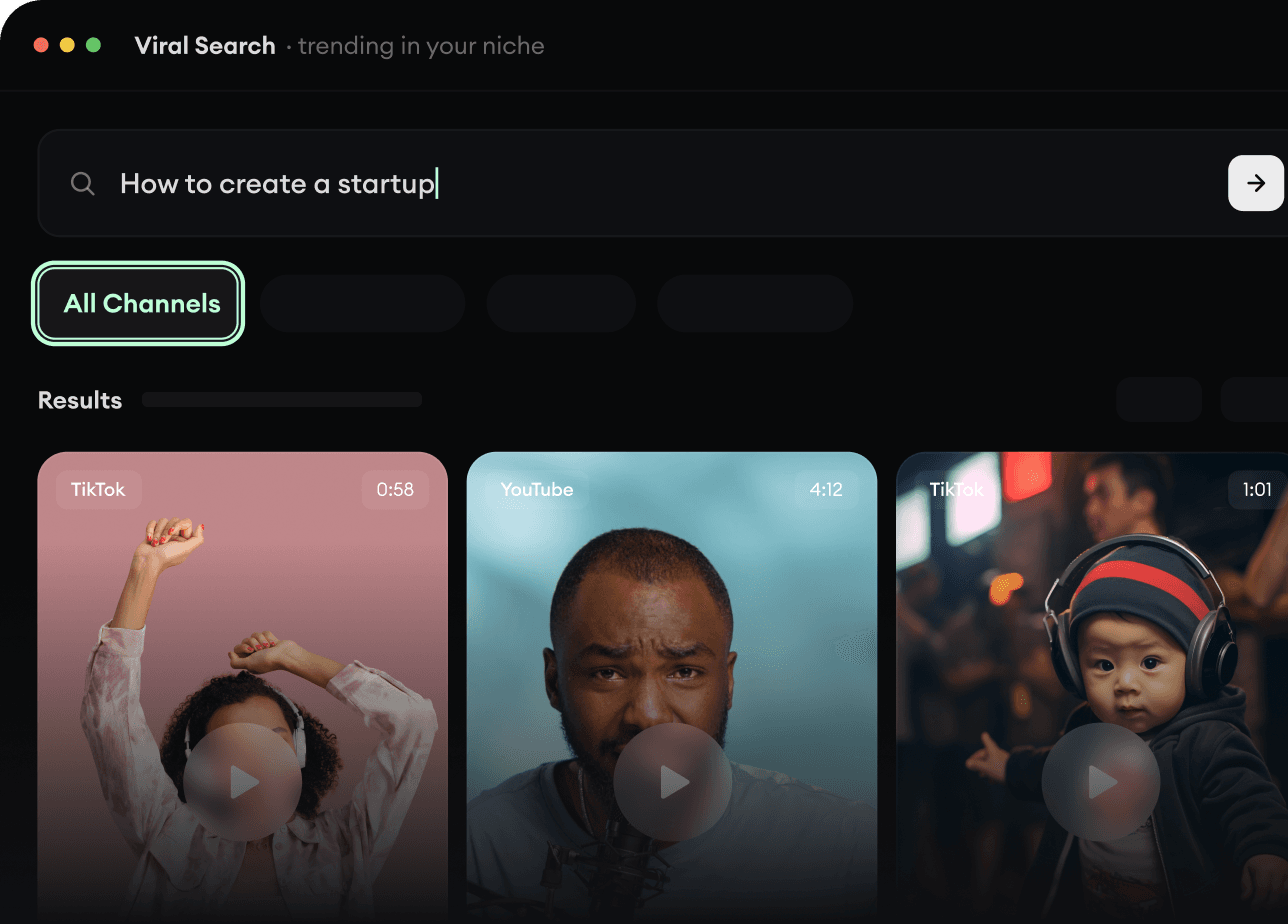
Finde virale Videos und Trends.
Revids Viral Search und Channel Watcher zeigen dir die Formate, Creator und Trends, die gerade Aufmerksamkeit bekommen, und helfen dir, eigene Ideen daraus zu machen.
Entdecke erfolgreiche Videoformate in deiner Nische
Folge den Creatorn und Kanälen, die zählen
Starte mit bewährten Ideen, statt zu raten
2
Mach aus einer Idee eine Story.
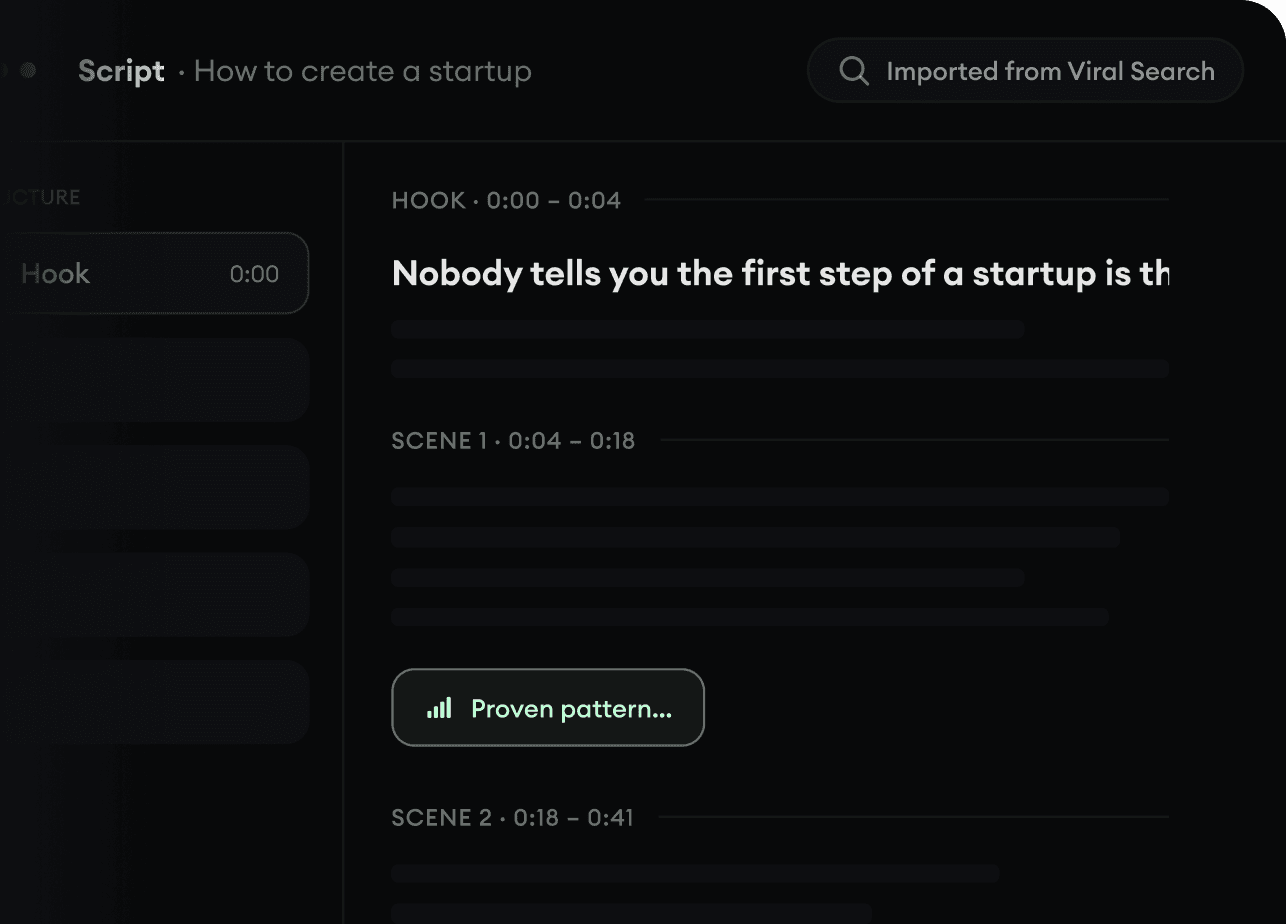
Etwas Spannendes gefunden? Revid AI schreibt das Skript, schlägt die Struktur vor und macht aus Links, Prompts oder Themen komplette Videokonzepte.
Starte mit einem Prompt, Thema oder einer URL
Generiere Skripte nach bewährten Mustern
Baue Stories, die Zuschauer fesseln
3
Erstelle das fertige Video.
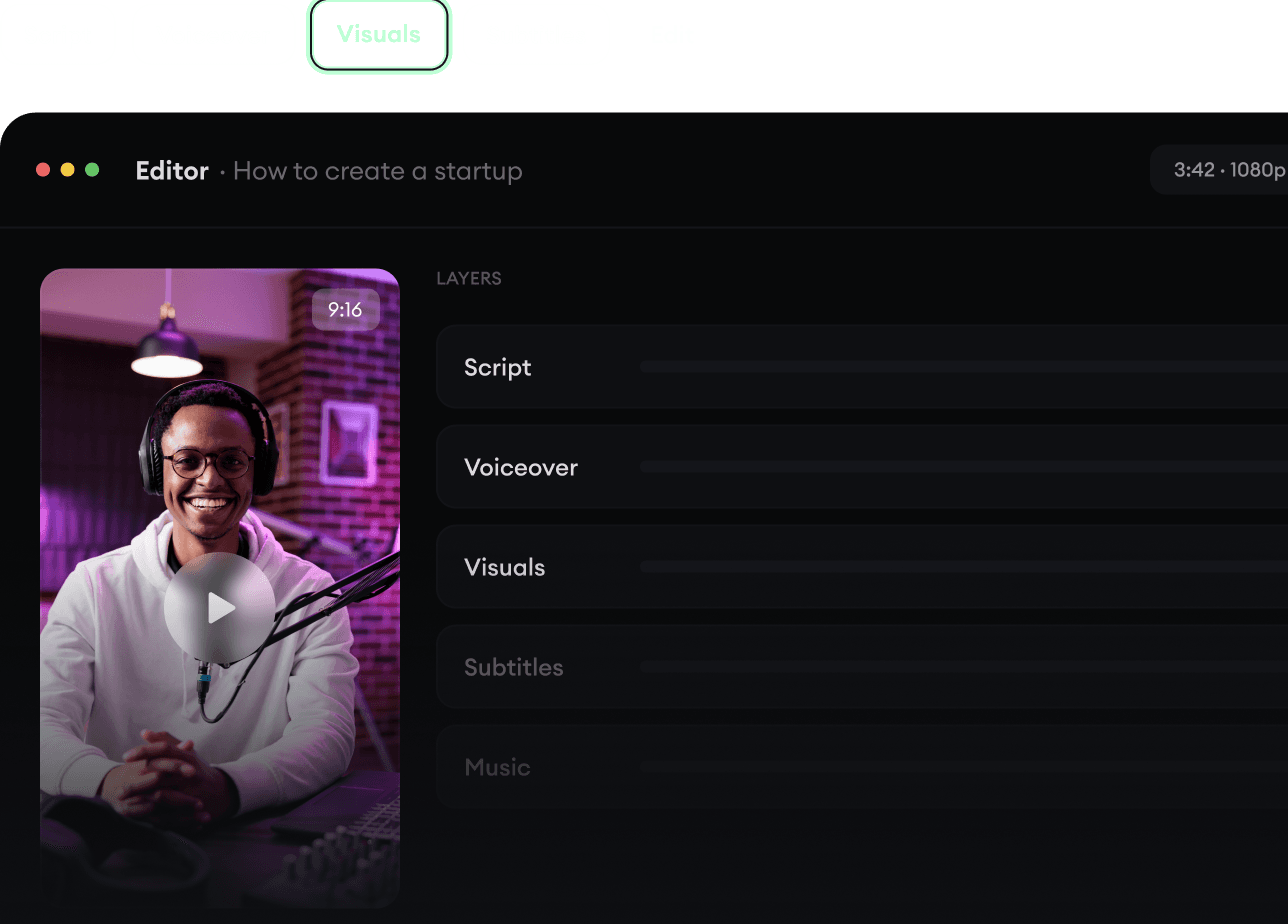
Skript, KI-Stimme, Bilder, Untertitel und Schnitt entstehen in einem Workflow. Kein Jonglieren mit fünf verschiedenen Tools.
Verwandle Text in komplette, mehrminütige Videos
Generiere alles an einem Ort
Verfeinere das Ergebnis im Editor
4
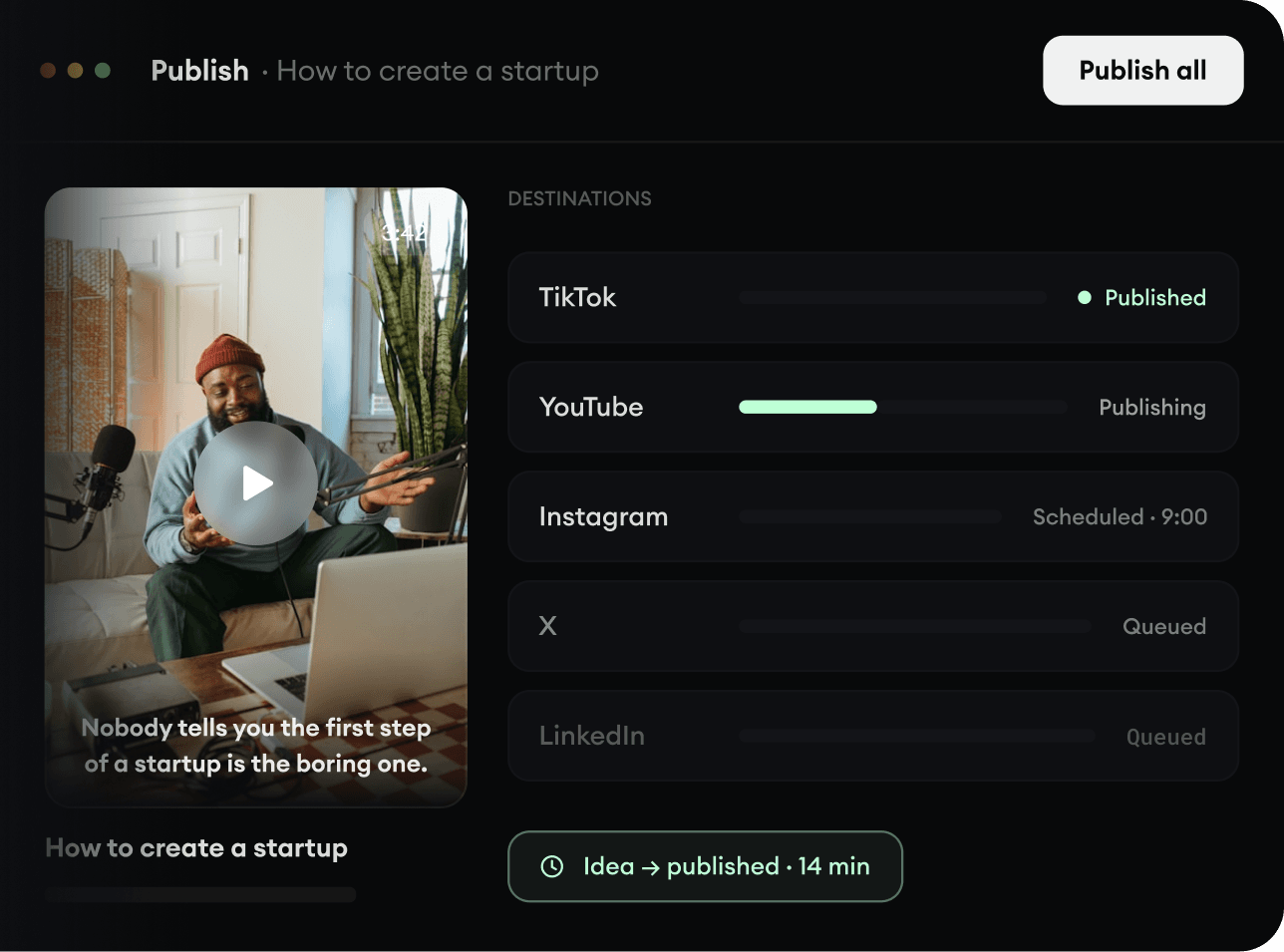
Veröffentliche überall.
Teile deine Videos auf TikTok, YouTube, Instagram und überall dort, wo dein Publikum ist.
Veröffentliche auf allen großen Plattformen
Erreiche mehr Menschen mit weniger Aufwand
Von der Idee zum veröffentlichten Video in Minuten