Genera videos únicos directamente a partir de prompts de texto. Describe tu visión y deja que nuestra IA se encargue de los elementos visuales, el sonido y la animación.
Tu prompt de video
💡 Ingresa tu prompt sobre lo que quieres ver en el video
3,730 personas usaron esta herramienta en las últimas 24h
Comienza gratis.(no requiere tarjeta de crédito)
Ejemplos de Resultados
Media: Stock videosRatio: 9:16
Herramientas relacionadas que te pueden gustar:
o explora nuestras más de 42 herramientas para crear el video exacto que deseas
**Recommended preset: Ultra Realism**
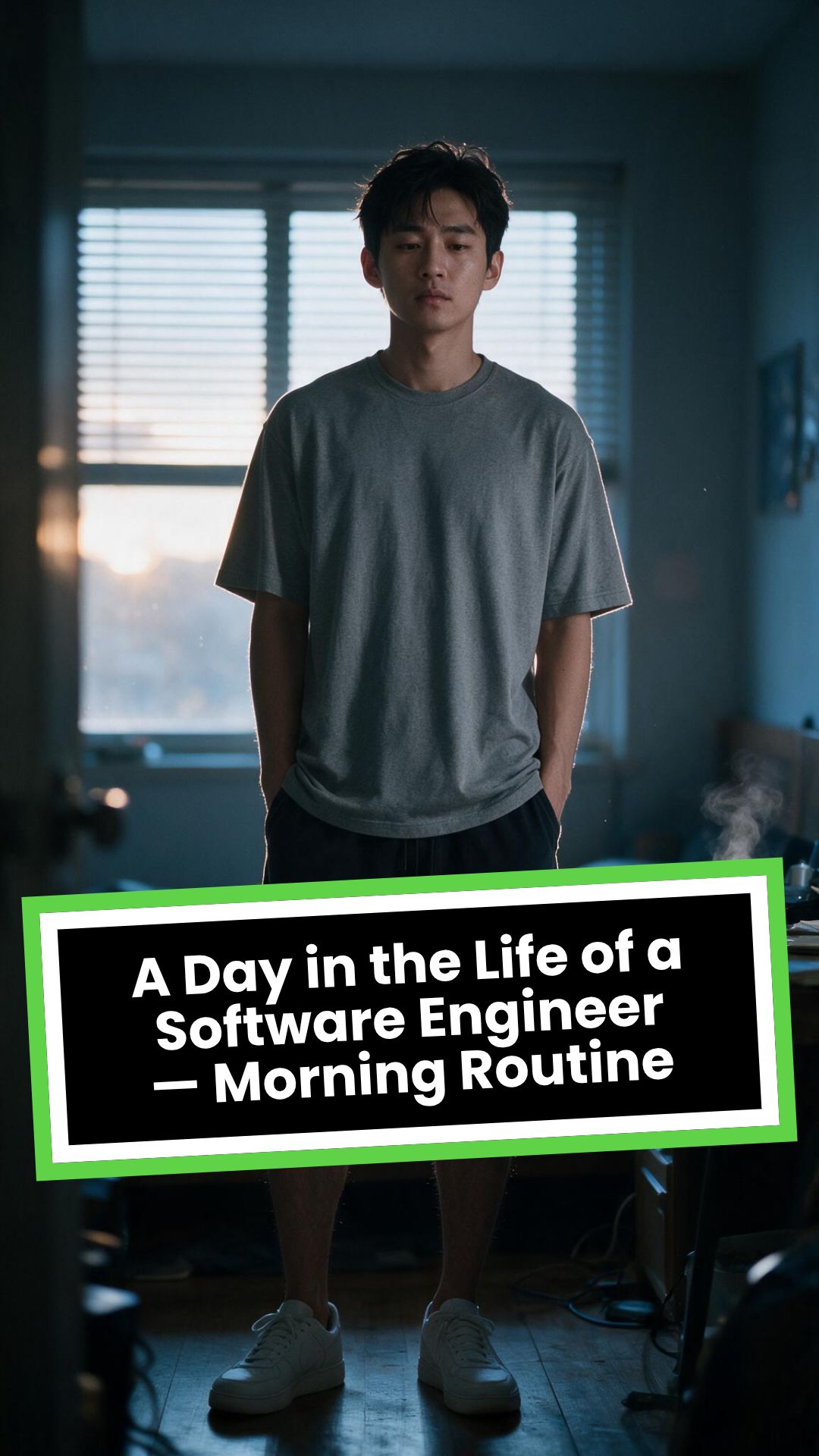
# A Day in the Life of a Software Engineer — Morning Routine
## STARTING FRAME
Extreme macro close-up of a smartphone resting face-up on a dark wooden bedside table in a quiet apartment bedroom before sunrise. The alarm reads **6:30 AM** in crisp white digits. The edge of the phone, tiny dust particles on the table, and the faint reflection of the screen are sharply detailed.
Several feet behind it, a young Asian man in his late twenties lies asleep beneath slightly rumpled bedding. He is only a soft, indistinct silhouette because of the extremely shallow depth of field. Cool blue-grey morning light leaks through partially closed curtains, creating faint horizontal shadows across the room.
A closed laptop, sleeping monitor, mechanical keyboard, notebook, headphones, water bottle, and hoodie resting over a desk chair are visible only as subdued background shapes.
The room is completely still.
Animate forward from this exact frame.
---
## [0s–3s] — THE ALARM
The camera remains extremely low, almost level with the bedside table.
For the first moment, nothing moves.
Then the alarm begins ringing.
The smartphone vibrates against the wooden surface in short mechanical pulses. One corner taps faintly against the table with each vibration. The glow from the screen reflects subtly across the wood grain.
Keep the sleeping man fully blurred in the background.
Do not reveal his face yet.
The curtains move almost imperceptibly from a weak draft. Distant traffic hums outside. A soft electrical ambience comes from the sleeping computer monitor.
Allow the alarm to interrupt the quiet rather than immediately triggering a reaction.
---
## [3s–6s] — THE FIRST REACTION
Begin a very slow rack focus away from the phone.
The alarm digits gradually soften.
The sleeping man’s shoulder, face, pillow, and blanket slowly resolve into focus.
He does not immediately wake.
His eyebrows contract slightly.
His head presses deeper into the pillow as though instinctively trying to escape the sound.
One hand shifts beneath the blanket.
His fingers curl faintly against the fabric.
The bedding moves only a few centimetres as his body reacts before his mind is fully awake.
The voice-over begins quietly:
> “Most days aren’t my best days.”
The delivery is close, restrained, personal, and slightly tired. It should sound like a private thought rather than narration for an audience.
---
## [6s–10s] — WAKING
His eyes open slowly.
They remain unfocused.
He blinks once.
A longer pause.
Then he blinks again.
His gaze drifts toward the sound without turning his head completely.
One hand emerges from beneath the blanket and reaches toward the bedside table. His arm moves heavily, dragging slightly across the mattress.
His fingers miss the phone on the first attempt.
They brush against the charging cable, slide across the table, then finally reach the screen.
He presses the alarm off.
The sound stops abruptly.
The room becomes quiet again.
Let the silence remain for a full beat.
His hand stays resting beside the phone rather than instantly returning to bed.
He exhales slowly through his nose.
The camera makes an almost imperceptible push toward him.
No dramatic expression. No exaggerated yawn.
Only the slow recognition that the day has started.
---
## [10s–14s] — SITTING UP
He turns onto one side.
The blanket pulls across his torso and gathers naturally around his waist.
His elbow presses into the mattress.
The mattress compresses visibly beneath his weight as he pushes himself upward.
His head rises last.
His hair is slightly flattened on one side and falls unevenly across his forehead.
He moves both legs toward the edge of the bed.
One foot searches for the floor.
Then the other.
His bare toes make contact first, followed by the rest of each foot.
He remains seated at the edge of the mattress.
His back curves slightly.
His shoulders hang low.
His hands rest loosely beside his thighs.
He stares at the floor without really looking at anything.
Hold this moment.
The creased bedding behind him should remain compressed where his body had been.
The voice-over continues after a natural pause:
> “But I remember why I do this…”
---
## [14s–17s] — STANDING
He shifts his feet slightly farther apart.
His weight moves forward.
His elbows press lightly against his thighs before he pushes himself upright.
His hips rise first, followed by his shoulders.
Show realistic balance adjustment as his body settles onto both feet.
He stands still for a brief moment.
His loose neutral-coloured T-shirt falls naturally back into place. His shoulders remain slightly lowered. His breathing is calm but heavy with sleep.
The camera stays behind him at approximately waist-to-shoulder height, observing rather than presenting him.
He takes two slow steps toward the bedroom wall.
His bare feet make soft contact with the floor.
He runs his fingers along the wall for a moment before finding the light switch.
He presses it.
A warm bedside or ceiling practical light turns on.
Do not flood the entire room with brightness.
The warm light should gradually reveal wood, bedding, fabric, and skin while the cool morning light remains visible through the curtains.
His eyes narrow slightly in response.
---
## [17s–20s] — TOWARD THE BATHROOM
He turns toward the bathroom doorway and begins walking.
The camera follows several steps behind with restrained handheld drift.
His pace is slow and partially automatic.
He does not acknowledge the camera.
His arms hang naturally beside him.
His shirt moves subtly across his back with each step.
Use the bathroom doorway as a natural frame around his body.
As he crosses the threshold, briefly hold the bedroom in the background:
* the unmade bed;
* the silent phone;
* the closed laptop;
* the dark monitor;
* the hoodie over the chair;
* cool daylight still entering through the curtains.
The voice-over completes:
> “…and I get up anyway.”
The line should not swell emotionally. It should land quietly, almost as though he is reminding himself.
---
## [20s–25s] — THE BATHROOM
Follow him into a small, modern, lived-in bathroom.
Use one hidden natural transition as the camera passes behind the doorframe if necessary, but preserve the feeling of one continuous shot.
He reaches toward the bathroom light switch.
A soft neutral overhead light turns on.
The camera settles into a side angle where both his real profile and part of his reflection are visible. He never looks directly into the lens.
His face in the mirror appears tired but composed.
He reaches toward a simple toothbrush holder.
His fingers close around the toothbrush.
He turns the tap handle.
Water begins flowing into the basin with a steady, natural sound.
Small droplets strike the ceramic surface and collect around the drain.
He briefly passes the toothbrush beneath the water.
He picks up the toothpaste with his other hand.
His thumb flips open the cap.
He positions the tube above the brush and squeezes slowly.
The tube compresses naturally between his fingers.
A small line of toothpaste settles across the bristles.
He releases pressure, places the toothpaste beside the sink, and brings the toothbrush to his mouth.
He begins brushing with slow, absent-minded movements.
His free hand rests against the edge of the basin.
The water continues running softly for a moment before he reaches over and turns it off.
End with him brushing his teeth in silence while early-morning ambience fills the room.
No smile.
No inspirational pose.
No sudden burst of energy.
The morning has simply begun.
---
# CAMERA DIRECTION
* One continuous observational sequence whenever possible.
* Extreme macro lens for the opening alarm.
* Very shallow depth of field during the first six seconds.
* Slow rack focus from the alarm to the sleeping man.
* Subtle push-in while he wakes.
* Low bedside camera placement.
* Gentle handheld drift only after he stands.
* Restrained tracking movement toward the bathroom.
* Use the bedroom and bathroom doorframes as natural foreground obstruction.
* Slight parallax as the camera follows him.
* Side-angle bathroom composition with a partial mirror reflection.
* Camera movement must feel physically operated by a patient documentary filmmaker.
* No orbiting around the character.
* No floating camera.
* No passing through walls.
* No dramatic sweeps or crane movements.
* No rapid cuts.
* One concealed doorway transition is permitted for stability.
---
# CHARACTER PERFORMANCE
Use one consistent young Asian man in his mid-to-late twenties.
He should appear like a normal working software engineer rather than a fashion model.
Maintain:
* slightly messy morning hair;
* naturally tired eyes;
* realistic skin texture;
* ordinary body proportions;
* loose neutral T-shirt;
* comfortable shorts or pyjama trousers;
* bare feet;
* understated, believable posture.
His sleepiness should be communicated through timing and body weight.
He should:
* blink heavily;
* pause before each major movement;
* keep his shoulders slightly lowered;
* move his hands without perfect coordination immediately after waking;
* shift his weight realistically;
* walk quietly;
* remain unaware of the camera;
* never perform the voice-over on screen.
Do not make him appear severely exhausted, unwell, intoxicated, miserable, or emotionally distressed.
---
# ENVIRONMENTAL DETAIL
The apartment should feel modest, modern, believable, and personally inhabited.
Bedroom details may include:
* closed laptop;
* monitor in sleep mode;
* mechanical keyboard;
* notebook with a pen;
* headphones;
* charging cable;
* water bottle;
* desk chair;
* hoodie over the chair;
* soft curtains;
* plain bedding;
* digital alarm or smartphone.
These objects must remain secondary.
Avoid excessive RGB lighting, futuristic interfaces, glowing code, multiple giant monitors, hacker imagery, or stereotypical technology props.
The bathroom should include:
* small ceramic sink;
* ordinary mirror;
* toothbrush holder;
* toothpaste;
* hand towel;
* simple shelf;
* subtle tile reflections;
* minor signs of everyday use.
Avoid a spotless luxury hotel bathroom.
---
# LIGHTING AND COLOUR
* Begin with soft, cool, low-contrast dawn light.
* Use blue-grey illumination passing naturally through curtains or blinds.
* Let the alarm screen create a small local glow.
* Introduce warm practical light when he presses the bedroom switch.
* Preserve the contrast between cool exterior daylight and warm interior light.
* Use soft neutral or slightly warm bathroom lighting.
* Maintain natural skin tones.
* Use gentle cinematic contrast and realistic shadow falloff.
* Keep the overall palette muted, intimate, and grounded.
Avoid:
* neon colours;
* heavy teal-and-orange grading;
* artificial lens flares;
* dramatic rim lighting;
* fantasy glow;
* excessive darkness;
* overexposed bathroom lighting;
* motivational-commercial brightness.
---
# SOUND DESIGN
Keep the soundscape quiet, layered, and tactile.
### Bedroom ambience
* distant city traffic;
* faint room tone;
* soft electrical hum;
* subtle curtain movement;
* alarm vibration against wood;
* charging cable shifting;
* bedding sliding;
* mattress compression;
* breathing;
* bare feet touching the floor;
* quiet fabric movement;
* light-switch click;
* soft footsteps.
### Bathroom ambience
* bathroom switch;
* toothbrush lifted from the holder;
* tap handle turning;
* water striking the basin;
* toothbrush touching water;
* toothpaste cap opening;
* tube compressing;
* toothpaste settling on the bristles;
* slow brushing;
* subtle room echo.
The voice-over should sit gently above these sounds rather than overpowering them.
---
# VOICE-OVER
Use a young adult male voice.
Delivery must be:
* quiet;
* sincere;
* close-microphone;
* slightly tired;
* reflective;
* conversational;
* emotionally restrained.
Do not use trailer narration, motivational-speaker cadence, inspirational music swelling, or exaggerated pauses.
Voice-over text:
> “Most days aren’t my best days.
> But I remember why I do this…
> and I get up anyway.”
Begin the first sentence during the focus shift.
Deliver the second sentence while he sits at the edge of the bed.
Complete the final phrase as he walks into the bathroom.
---
# PHYSICAL REALISM
Every movement must show weight, resistance, and consequence.
Include:
* smartphone vibrating against wood;
* blanket tension as he moves;
* pillow compression;
* mattress deformation beneath his elbow and hips;
* feet searching for the floor;
* realistic centre-of-gravity changes while standing;
* natural cloth movement;
* proper hand contact with the switch;
* believable walking rhythm;
* accurate grip on the toothbrush and toothpaste;
* realistic water flow;
* toothpaste tube deformation;
* correct mirror behaviour;
* natural brushing motion.
Objects must not move unless physically touched or affected by the environment.
---
# CONTINUITY REQUIREMENTS
Maintain exactly the same:
* face;
* hairstyle;
* clothing;
* body proportions;
* skin tone;
* bedroom arrangement;
* bathroom arrangement;
* phone;
* bedding;
* toothbrush;
* toothpaste;
* lighting direction;
* time of morning.
The bathroom must feel directly connected to the bedroom.
The character must not change appearance between spaces.
The mirror reflection must match his real movement precisely.
---
# NEGATIVE CONSTRAINTS
* No direct eye contact with the camera.
* No on-screen dialogue.
* No lip-syncing to the voice-over.
* No influencer presentation.
* No vlog gestures.
* No smiling at the audience.
* No fast montage.
* No opening the laptop.
* No typing or coding.
* No breakfast sequence.
* No shower.
* No getting dressed.
* No leaving the apartment.
* No dramatic stretching.
* No exaggerated yawning.
* No energetic wake-up.
* No instant movement from bed to bathroom.
* No teleportation.
* No unrelated extra scenes.
* No rapid edits.
* No impossible camera paths.
* No random camera shake.
* No warped mirror reflection.
* No changing facial features.
* No changing clothes.
* No malformed hands.
* No extra fingers.
* No floating objects.
* No disappearing props.
* No changing room layout.
* No excessive slow motion.
* No text overlays.
* No captions.
* No logos.
* No watermark.
* No artificial motivational-commercial tone.
Formato visualVideo IA
Estilo visualPhotography
VIDEO FINAL
How to Turn Music into Video in 3 Simple Steps
1 Upload your music track
Start by uploading your audio file. Our AI will analyze your music track, identifying beats, rhythm patterns, and energy levels to create a perfectly synchronized video experience.
2 Choose your visual style
Select from three powerful visual options: dynamic stock videos, AI-generated visuals, or mesmerizing moving AI images. Add a sound wave visualization to enhance the audio-visual connection and make your video more engaging.
3 Generate and customize
Click 'Generate Video' and watch as your music transforms into a stunning visual experience. Once complete, use our built-in editor to add personal touches, adjust timing, or enhance visual elements before downloading your finished video.
01
Describe cualquier escena y mírala convertirse en un video publicado
De prompt a video es el formato creativo más directo que ofrece Revid. Escribe una descripción del video que deseas ver, incluyendo los elementos visuales, el ambiente, los personajes y la historia, y la IA generará un video completo con imágenes coincidentes o generadas por IA, narración en voz en off, música de fondo y subtítulos. No hay plantillas por las que navegar ni configuraciones de múltiples pasos. El prompt es todo tu brief creativo. Funciona para ficción, contenido de estilo documental, exhibiciones de productos, videos explicativos, publicaciones en redes sociales y cualquier otra cosa que puedas describir con palabras.
02
Qué hace el motor de Prompt a Video con tu descripción
Después de recibir tu prompt, la IA de Revid analiza el género, el tono, el tema y los momentos visuales clave previstos, y luego construye una estructura de video escena por escena en torno a ellos. Selecciona o genera elementos visuales para cada momento, escribe la narración para que coincida con el contenido descrito, elige una pista de música de una biblioteca curada y sincroniza todo en un video corto y cohesivo. La herramienta admite imágenes generadas por IA en tres niveles de calidad: base, pro y ultra, lo que te permite adaptar la calidad del resultado al propósito de tu contenido.
03
De Prompt a Video para Creadores, Marketers y Educadores
Los creadores de contenido lo utilizan para probar nuevas ideas rápidamente antes de invertir en una producción pulida. Los profesionales del marketing lo usan para generar videos de productos y marcas a partir de briefs de campaña sin tener que contratar a una agencia. Los educadores lo aprovechan para crear videos ilustrativos sobre temas complejos donde el material existente no coincide con la explicación específica necesaria. Dado que todo el flujo de trabajo comienza a partir de una descripción de texto, no requiere ninguna habilidad previa más allá de la capacidad de articular lo que deseas ver. Para la narración basada en personajes construida sobre el mismo formato de prompt, el generador de videos POV aplica una lente inmersiva en primera persona a la misma entrada.
Watch & Learn
¿Cómo sacar el máximo provecho de nuestro Prompt a Video?
Descubre cómo usar nuestra herramienta de Prompt a video para crear contenido de forma inteligente y efectiva.
Escribí una oración y la IA hizo todo este video (Tutorial de Prompt a Video)
Audiencia objetivo
¿Para quién es esta herramienta?
Creadores de contenido independientes
Pasa de la idea al video publicado sin los gastos generales de producción que normalmente hay entre un concepto creativo y una pieza terminada, publicando nuevo contenido tan rápido como generas ideas.
Equipos de marketing y agencias
Transforma briefs de campañas escritas en activos de video para redes sociales, anuncios y presentaciones sin añadir trabajo de producción de video a un equipo que ya tiene la agenda llena.
Narradores de historias
Prueba mundos de ficción, personajes y arcos narrativos en formato de video antes de comprometerte con una producción completa, iterando rápidamente sobre la dirección creativa con cada generación.
Educadores y formadores
Crea videos ilustrativos personalizados para cualquier concepto que el material existente no pueda demostrar adecuadamente, brindando a los estudiantes un contexto visual que las explicaciones escritas por sí solas no pueden proporcionar.
Comparación
¿Por qué elegir Revid para la generación de Prompt a Video?
La producción de video tradicional comienza con un brief y termina semanas después con un video finalizado. El prompt a video elimina cada paso entre la descripción creativa y el resultado final.
Entrada
Prompt a Video de RevidEscribe una descripción de texto y genera inmediatamente
Producción de Video TradicionalRequiere guion, storyboard y planificación de producción antes de empezar a grabar
Imágenes
Prompt a Video de RevidLa IA genera u obtiene imágenes adaptadas a cada descripción de escena
Producción de Video TradicionalRequiere grabar, comprar videos de stock o encargar gráficos en movimiento
Voz en off
Prompt a Video de RevidNarración por IA generada y sincronizada automáticamente con el contenido visual
Producción de Video TradicionalRequiere grabar o contratar a un actor de doblaje para cada proyecto
Música
Prompt a Video de RevidMúsica de fondo seleccionada de una biblioteca curada y añadida automáticamente
Producción de Video TradicionalLa música debe licenciarse y editarse manualmente para ajustarse a la línea de tiempo del video
Tiempo de producción
Prompt a Video de RevidVideo completo listo en minutos desde un prompt de texto
Producción de Video TradicionalDías o semanas desde el brief hasta la entrega del video final
Velocidad de iteración
Prompt a Video de RevidGenera una nueva versión a partir de un prompt actualizado en minutos
Producción de Video TradicionalCada revisión requiere reeditar, regrabar o volver a filmar material
Característica / Beneficio
Prompt a Video de Revid
Producción de Video Tradicional
Entrada
Escribe una descripción de texto y genera inmediatamente
Requiere guion, storyboard y planificación de producción antes de empezar a grabar
Imágenes
La IA genera u obtiene imágenes adaptadas a cada descripción de escena
Requiere grabar, comprar videos de stock o encargar gráficos en movimiento
Voz en off
Narración por IA generada y sincronizada automáticamente con el contenido visual
Requiere grabar o contratar a un actor de doblaje para cada proyecto
Música
Música de fondo seleccionada de una biblioteca curada y añadida automáticamente
La música debe licenciarse y editarse manualmente para ajustarse a la línea de tiempo del video
Tiempo de producción
Video completo listo en minutos desde un prompt de texto
Días o semanas desde el brief hasta la entrega del video final
Velocidad de iteración
Genera una nueva versión a partir de un prompt actualizado en minutos
Cada revisión requiere reeditar, regrabar o volver a filmar material
Videos de ejemplo
Mira lo que puedes crear con Convertidor de Prompt a Video
Explora diferentes estilos y posibilidades con nuestro Convertidor de Prompt a Video
Generador de Video por IA para Creadores
Transforma textos en videos impresionantes con nuestro generador de video por IA. Simplemente describe tu visión y observa cómo la IA avanzada crea videos profesionales con elementos visuales dinámicos, sincronización perfecta y contenido atractivo.
Tecnología avanzada de generación de video por prompt
Conversión de texto a video con calidad profesional
Imágenes dinámicas y sincronización perfecta a partir de descripciones
Ideal para creadores de contenido y narradores de historias
Generación de Videos Creativos a partir de Texto
Desata tu creatividad con nuestro generador de prompt a video. Convierte cualquier descripción de texto en contenido de video cautivador con narrativa visual impulsada por IA, perfecto para redes sociales, marketing y entretenimiento.
Tecnología creativa de IA para pasar de prompt a video
Narrativa visual a partir de descripciones de texto
Generación de video optimizado para redes sociales
Perfecto para contenido de marketing y entretenimiento
Creación Impresionante de Video desde Prompt
Crea videos de calidad profesional a partir de simples prompts de texto utilizando tecnología de IA de vanguardia. Nuestro generador maneja conceptos visuales complejos y produce contenido listo para emisión para cualquier propósito.
Generación profesional de video por IA desde prompt
Producción de video con calidad de emisión a partir de texto
Manejo de conceptos visuales complejos
Adecuado para uso corporativo y profesional
Más herramientas
Explora herramientas de video IA similares de Creación de Video
Descubre más formas de crear videos atractivos con nuestras herramientas de IA
FAQ
Preguntas Frecuentes
What is the Music to Video converter tool?
Our Music to Video converter is an innovative AI-powered tool that transforms your audio tracks into captivating visual content. Simply upload your music file, and our technology analyzes the audio patterns to create perfectly synchronized videos. Whether you're a musician looking to promote your latest track, a content creator needing background visuals, or a social media enthusiast wanting to share music in an engaging way, this tool helps you create professional-quality music videos in minutes without any technical expertise.
What types of music files can I upload?
Our tool supports all common audio formats including MP3, WAV, M4A, AAC, and OGG files. The maximum file size is 50MB, which accommodates most songs and audio tracks. For optimal results, we recommend using high-quality audio files with minimal background noise. If your file is in an unsupported format, consider converting it using a free online audio converter before uploading.
How does the AI choose visuals for my music?
Our advanced AI analyzes various aspects of your music including tempo, rhythm, frequency patterns, and energy levels. Based on this analysis, it selects or generates visuals that complement and enhance your audio. The AI is trained to recognize different music genres and styles, allowing it to create visual experiences that match the mood and feel of your track. You can further guide the visual selection by choosing between stock videos, AI-generated visuals, or moving AI images.
What's the difference between the visual style options?
We offer three distinct visual styles to match your creative vision. Stock videos use high-quality footage from our extensive library, selected to match your music's mood and rhythm. AI-generated visuals create unique, custom imagery specifically for your track, offering one-of-a-kind visuals (this option uses 1 additional credit). Moving AI images provide a middle ground with animated still images that respond to your music. Each option creates a different aesthetic experience, so you can choose what best represents your music.
What is the sound wave visualization feature?
The sound wave visualization adds a dynamic audio waveform overlay to your video that pulses and moves in perfect synchronization with your music. This feature creates a stronger connection between the audio and visual elements, enhancing viewer engagement and making it clear that the visuals are responding directly to the music. You can toggle this feature on or off depending on your preference for the final look of your video.
How long does it take to convert my music to video?
Processing time depends on several factors including your music file length, the visual style selected, and current system demand. Typically, most videos are ready within 2-5 minutes. Longer tracks or selecting AI-generated visuals may require additional processing time. You'll receive a notification when your video is ready, so you don't need to wait on the page during processing.
Can I edit the video after it's been generated?
Absolutely! Once your music video is generated, you'll have access to our full-featured editor where you can make various adjustments. You can trim sections, add text overlays, adjust visual effects, change transitions, and more. The editor is designed to be intuitive even for beginners, allowing you to put your personal touch on the final product without requiring video editing expertise.
What aspect ratio will my music video have?
By default, your music video will be generated in a 9:16 vertical format, which is ideal for platforms like TikTok, Instagram Reels, and YouTube Shorts. This vertical format maximizes screen space on mobile devices where most short-form content is consumed. The vertical format also helps your music videos stand out in social media feeds, potentially increasing engagement and shares.
How many credits does it cost to create a music video?
Creating a basic music video with stock footage or moving AI images costs 1 credit. If you choose the AI-generated visuals option, an additional credit is required due to the intensive processing needed to create custom visuals. The number of credits available to you depends on your subscription plan. Our paid plans offer a set number of monthly credits, while free accounts start with a limited number to try the service.
Can I use the videos commercially?
Yes, all videos created with our Music to Video tool can be used for commercial purposes. This includes using them for music promotion, social media marketing, website backgrounds, or even monetized content on platforms like YouTube. However, please ensure you have the proper rights to the music you upload. While our tool can transform your audio into video, we cannot grant rights to copyrighted music. Always use music you've created yourself or have proper licenses for.
Will my music video have captions or subtitles?
Since this tool is specifically designed for music visualization rather than spoken content, it doesn't automatically generate captions or subtitles. However, if your music contains lyrics and you'd like to add them to your video, you can easily do so using our built-in editor after the video is generated. This gives you complete control over the timing, style, and placement of any text you want to include with your music.
Is my uploaded music stored securely?
We take data privacy very seriously. Your uploaded music files are stored securely and are only used to generate your video. We do not share your audio with third parties or use it for purposes other than creating your requested video. Files are automatically deleted from our servers after processing is complete and a reasonable storage period has passed. For complete details on how we handle your data, please refer to our privacy policy.
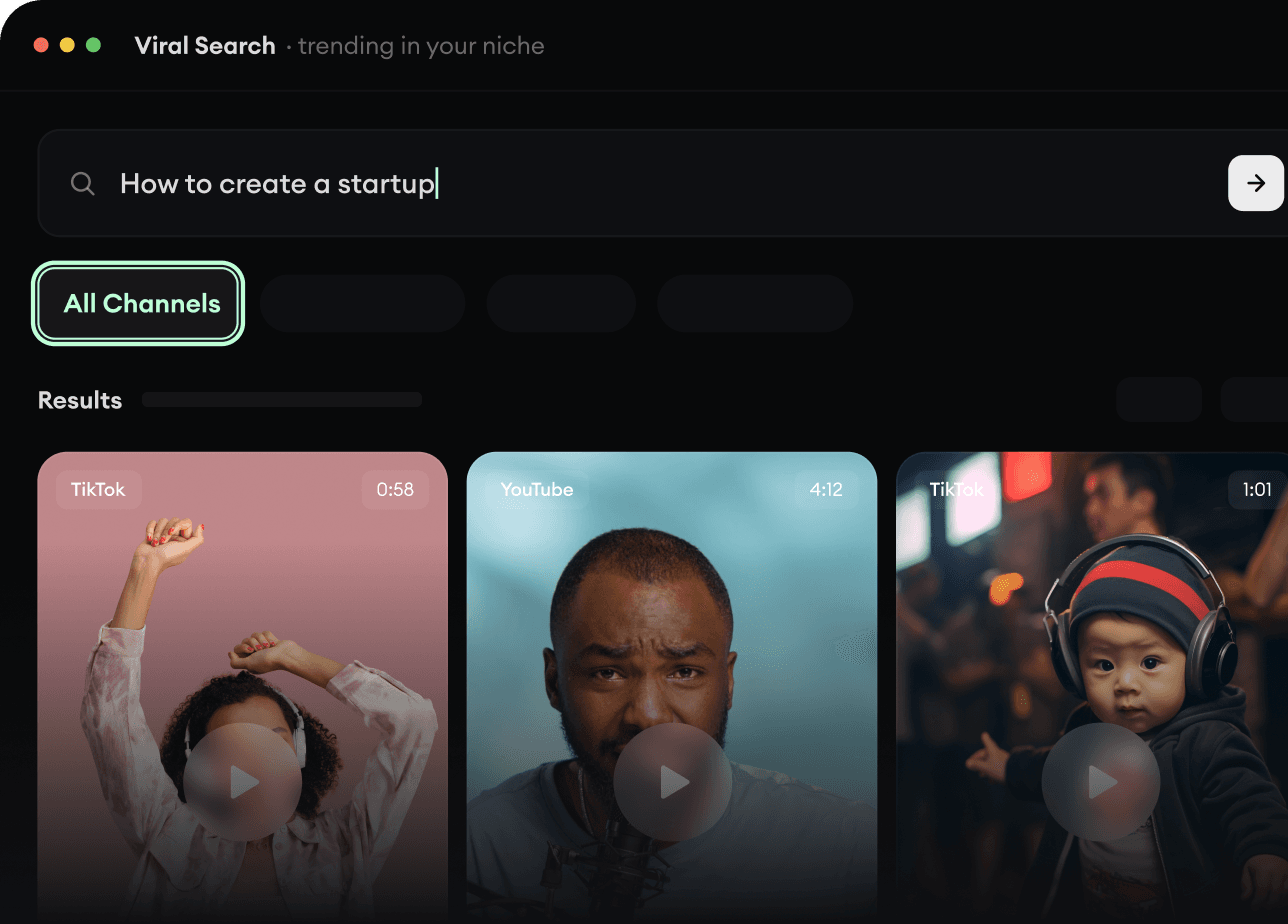
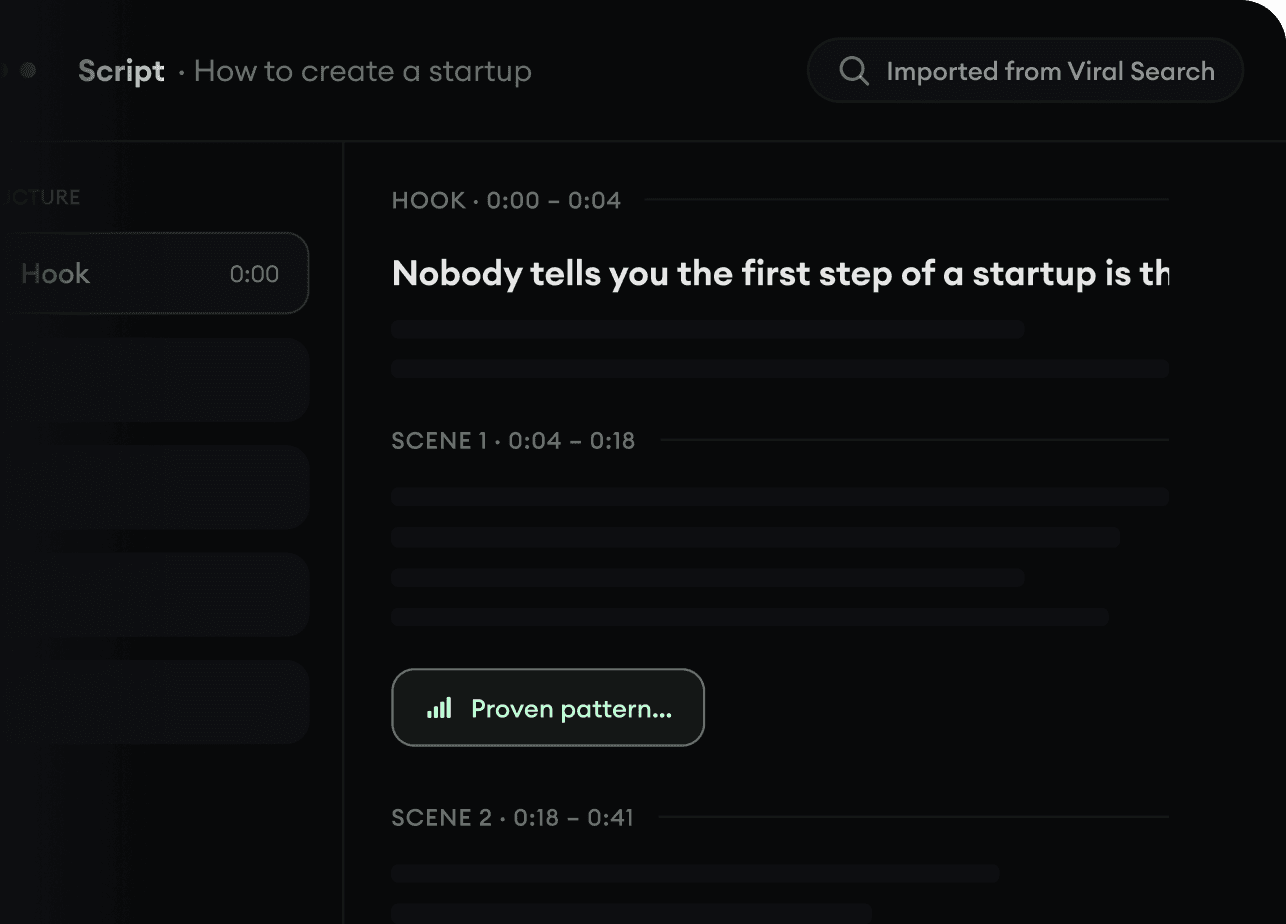
Viral Search y Channel Watcher de Revid AI muestran los formatos, creadores y tendencias que están captando atención ahora mismo, y te ayudan a convertirlos en ideas propias.
Descubre los formatos que funcionan en tu nicho
Sigue a los creadores y canales que importan
Empieza con ideas probadas en lugar de adivinar
2
Convierte una idea en una historia.
¿Encontraste algo que vale la pena? Revid AI escribe el guion, sugiere la estructura y convierte enlaces, prompts o temas en conceptos de video completos.
Empieza con un prompt, un tema o una URL
Genera guiones inspirados en patrones probados
Crea historias diseñadas para mantener la atención
3
Genera el video terminado.
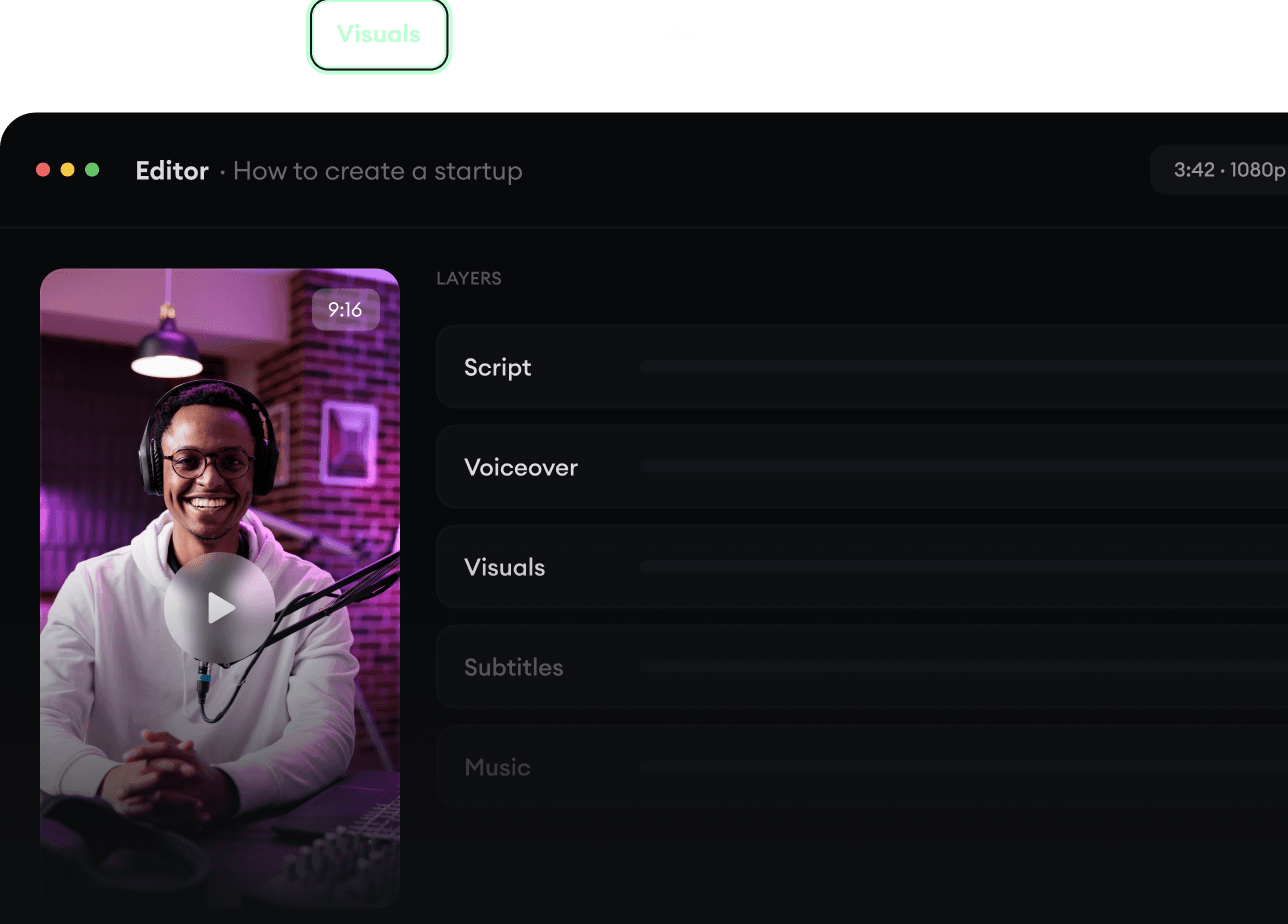
Guion, voz en off, visuales, subtítulos y edición se unen en un solo flujo de trabajo. Sin combinar cinco herramientas distintas.
Convierte texto en videos completos de varios minutos
Genera todo en un solo lugar
Refina el resultado en el editor
4
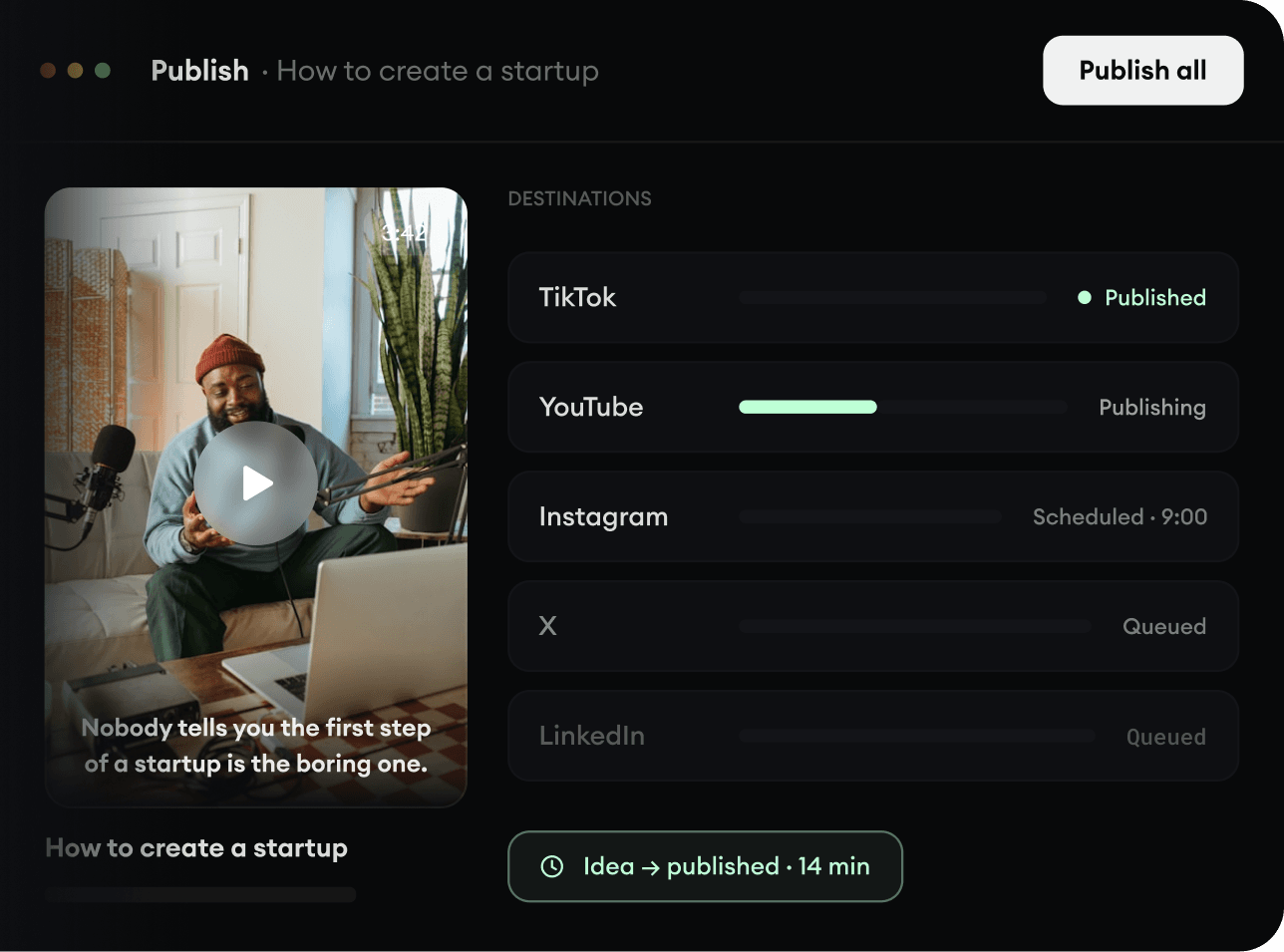
Publica en todas partes.
Comparte tus videos en TikTok, YouTube, Instagram y donde esté tu audiencia.